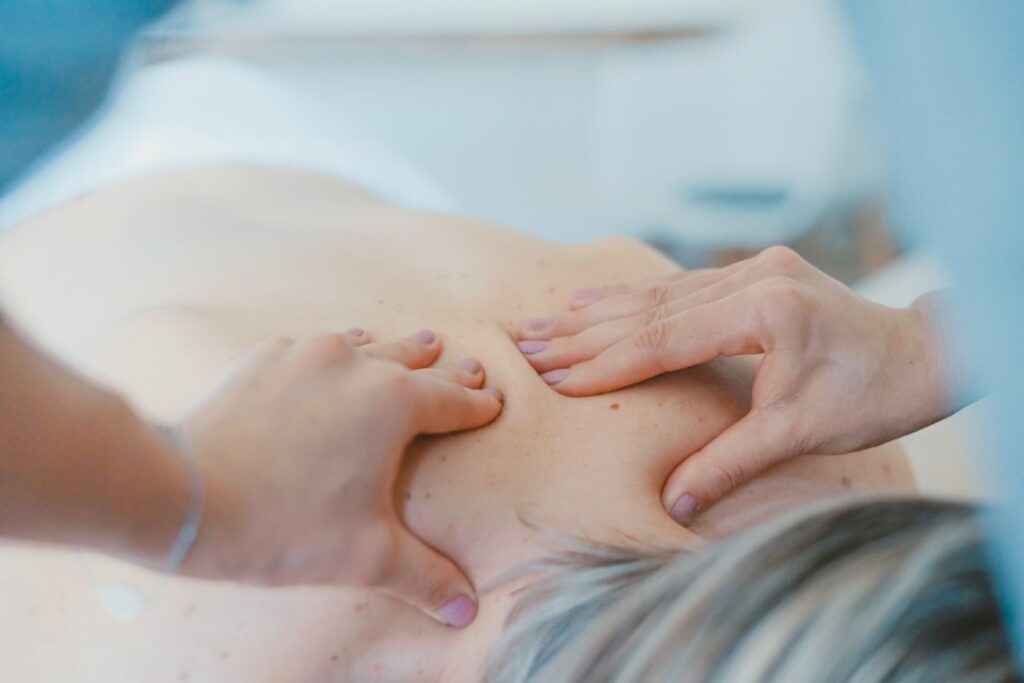
Photo by Abdul Raheem Kannath on Unsplash
By Sky Highway Marketing · Med Spa Marketing Specialists · Last updated July 2026
Med spa omnichannel marketing is a strategy that connects every marketing channel you use — Google Ads, Instagram, email, SMS, your website, and even in-spa follow-up — into a single, coordinated client experience. Instead of running each channel in isolation, omnichannel marketing ensures that a prospective client sees consistent messaging whether they find you through a paid ad, a Google search, or a friend’s Instagram story. According to HubSpot, businesses using three or more channels in coordinated campaigns retain significantly more customers than those relying on a single channel. For med spas specifically, this matters because your clients don’t make booking decisions in one step — they discover you, research you, and then decide. Omnichannel marketing guides them through every one of those stages without gaps.
Key Takeaways
- Med spa omnichannel marketing connects Google Ads, social media, email, SMS, and your website into one seamless client journey — so no lead falls through the cracks between channels.
- The retention gap between businesses that coordinate their channels and those that don’t is one of the most consistent patterns in marketing — clients who get a fragmented experience have less reason to stay.
- Start by auditing your current channels, unify your messaging under one brand voice, then connect your CRM so every touchpoint is tracked and triggers the right follow-up.
- The most common mistake med spas make is treating email, ads, and social as separate campaigns instead of coordinated stages of the same client journey.
Why Med Spa Omnichannel Marketing Matters for Your Business
Most med spa owners run their marketing in silos. Instagram posts go out on Tuesday. Email newsletters go out monthly. Google Ads run continuously. None of them talk to each other. That’s a problem, because your potential clients are moving across all of those channels before they ever book an appointment.
Think about how a new client actually finds you. She sees your Instagram Reel about a Morpheus8 treatment. She searches your name on Google. She reads your reviews. She visits your website. She leaves without booking. Two days later, she gets a retargeting ad. Finally, she books. That’s five different touchpoints across four different channels — and if each one delivers an inconsistent message or experience, you lose her.
The med spa industry is particularly dependent on trust. According to the American Med Spa Association (AmSpa), client retention and repeat visits drive the majority of revenue at high-performing med spas. Omnichannel marketing builds the trust that makes retention possible, because every interaction reinforces the same professional, consistent brand. As we covered in our post on brand-building vs. lead gen, trust compounds over time — and omnichannel is the infrastructure that builds it.
In 2026, the bar is higher than ever. Clients have more options, shorter attention spans, and greater skepticism. A fragmented marketing presence signals an unprofessional operation. A unified one signals expertise and authority.
How Med Spa Omnichannel Marketing Actually Works
Omnichannel marketing isn’t a single tool. It’s a system with several interconnected components. Here’s how each piece fits together.
1. Awareness Channels (Top of Funnel)
This is where people first encounter your med spa. Awareness channels include Instagram and Facebook ads, TikTok content, Google Display ads, influencer partnerships, and organic social media. The goal here isn’t to get a booking. It’s to get a click, a follow, or a saved post. Your messaging at this stage should focus on outcomes and brand personality, not promotions. Consistent visual branding across every awareness channel makes your spa recognizable the second someone encounters you again.
2. Consideration Channels (Middle of Funnel)
Once someone knows you exist, they start evaluating you. Consideration channels include Google Search (organic and paid), your website, your Google Business Profile, blog content, and email nurture sequences. This is where detailed, credible information wins. Your website needs to load fast, your reviews need to be visible, and your email sequences need to deliver value — not just promotions. If you want a deeper look at how email fits here, our guide to med spa email automation walks through exactly how to build this stage.
3. Conversion Channels (Bottom of Funnel)
This is where the booking happens. Conversion channels include your booking page, SMS reminders, retargeting ads, and direct phone calls. The job here is to reduce friction. One confusing step in your booking flow can kill a conversion that took weeks of nurturing to reach. A slow page, a broken form, or an unanswered phone call sends a warm lead straight to your competitor.
4. Retention Channels (Post-Booking)
Omnichannel marketing doesn’t stop at the booking. Retention channels include post-visit email sequences, SMS appointment reminders, loyalty program communications, and review request automations. This is where your CRM becomes critical — it keeps track of every client’s history and triggers the right message at the right time. A well-built retention system means a client who came in for Botox in February is getting a targeted hydrafacial offer in April, not a generic blast.
How to Get Started With Omnichannel Marketing for Your Med Spa
Getting started doesn’t mean building all of this at once. It means building it in the right order. Here’s a practical sequence for 2026.
- Audit your current channels. List every place a potential client encounters your med spa — ads, social, website, Google, email, SMS, in-spa. Note what each one says and whether the messaging is consistent.
- Define your brand voice and visual identity. Every channel should feel like the same business. Same tone, same color palette, same core messaging. If your Instagram feels upscale and your emails feel generic, that’s a trust leak.
- Implement a CRM that connects your channels. Tools like Zenoti, Boulevard, or a CRM-integrated email platform allow you to track client behavior across touchpoints and trigger automated follow-ups. Our 2026 guide to CRMs for med spas covers the leading options in detail.
- Build your email and SMS sequences. Set up a new-lead welcome sequence, a post-visit follow-up, a reactivation sequence for lapsed clients, and a review request. These run automatically and keep every client in your ecosystem.
- Connect your paid ads to your CRM. Upload your client list to Meta and Google as custom audiences. This lets you retarget existing clients with relevant offers and exclude them from new-client acquisition campaigns — so your budget goes further.
- Track everything in one dashboard. You can’t optimize what you can’t see. Use a tool that consolidates your channel data — ad spend, email open rates, booking conversions, and retention metrics — so you can spot which stage of the funnel is leaking.
An Illustrative Example: What This Looks Like in Practice
Consider a single-location med spa running Instagram ads for a laser skin resurfacing promotion. Without omnichannel thinking, the ad drives clicks to a generic homepage, no follow-up email goes out to people who clicked but didn’t book, and the CRM never hears about the campaign.
With omnichannel marketing, the same ad sends clicks to a dedicated landing page. Anyone who visits but doesn’t book gets added to a retargeting audience and receives a nurture email 24 hours later. Clients who do book get an automated SMS reminder, a pre-visit care email, and a post-visit review request. Everyone who engages gets tagged in the CRM for a relevant follow-up offer 60 days later. The campaign doesn’t end at the click. It builds a relationship.
That’s the difference between a marketing spend that produces a spike and one that compounds over time. Sky Highway Marketing specializes in building exactly this kind of connected system for med spas — where every dollar spent on acquisition is protected by a retention infrastructure that keeps those clients coming back.
Common Mistakes Med Spas Make With Omnichannel Marketing
Even well-intentioned med spa owners make the same errors when they try to connect their channels. Knowing these in advance saves you real money.
- Treating every channel as a separate campaign. Your Instagram ad and your email newsletter should be telling the same story this month. If they’re promoting different things to different audiences with different messaging, you’re creating brand confusion — not awareness.
- Skipping the middle of the funnel. Most med spas spend heavily on top-of-funnel ads and have a basic booking page. Everything in between — the nurture, the content, the retargeting — gets ignored. That’s where most of your conversions are actually won or lost.
- Not connecting the CRM to the ad platforms. If your CRM data isn’t flowing into Meta and Google, you’re paying to advertise to existing clients who already know you and you’re missing the ability to build lookalike audiences from your best customers.
- Inconsistent branding across channels. A luxury brand voice on your website paired with discount-focused ad copy is a trust signal mismatch. Clients notice — even if they can’t articulate why something feels off.
- Measuring channels independently. If you’re judging your email list by open rates and your Google Ads by ROAS in isolation, you’re missing the cross-channel picture. A client might open your email, click a Google ad three days later, and then book via direct search. Attribution matters.
Frequently Asked Questions
What is med spa omnichannel marketing in simple terms?
Med spa omnichannel marketing means every channel you use — Google Ads, Instagram, email, SMS, your website, and in-spa follow-up — works together as one connected system instead of separately. A potential client gets a consistent, coordinated experience no matter where they encounter your brand. The goal is to move them from first discovery to loyal returning client without any gaps in the journey.
What’s the difference between omnichannel and multichannel marketing for med spas?
Multichannel means you’re present on multiple platforms. Omnichannel means those platforms are connected. A med spa running Instagram ads, sending monthly emails, and maintaining a Google Business Profile is doing multichannel marketing. An omnichannel med spa has those channels sharing data — so a client who clicks an Instagram ad gets tagged in the CRM, triggering a relevant email sequence and a retargeting ad if they don’t book. The channels respond to each other.
How many channels should a med spa use in an omnichannel strategy?
For most single-location med spas, a focused set of core channels covers the full client journey: Google Search (organic and paid), Instagram, email, SMS, and their Google Business Profile. Adding more channels before these are optimized and connected is a common mistake. Start with fewer channels done well, then expand. Quality of integration matters far more than quantity of channels.
How long does it take to see results from omnichannel marketing?
The infrastructure — CRM setup, email sequences, retargeting audiences — typically takes four to eight weeks to build properly. Initial results in lead quality and retention usually show within the first 60 to 90 days. Full compounding benefits, where returning clients and referrals drive predictable monthly revenue, typically take six months or more. Omnichannel is a long-term investment, not a short-term campaign.
Do I need a big budget to run omnichannel marketing for my med spa?
No. The foundation of omnichannel marketing — a CRM, email sequences, and consistent branding — costs relatively little compared to your ad spend. Most med spas already pay for tools that can do this work; they’re just not connected. The strategic value is in the setup and integration, not in spending more. A smaller ad budget running inside a connected omnichannel system — where every click feeds a nurture sequence and every client is retained — will routinely outperform a much larger budget spent across disconnected channels.
See What AI Says About You
When someone asks ChatGPT or Google for a med spa near you, does your practice come up?
Get My Free AI Visibility Audit
Free, no pitch. See exactly what AI says about med spas in your city, and where you stand.