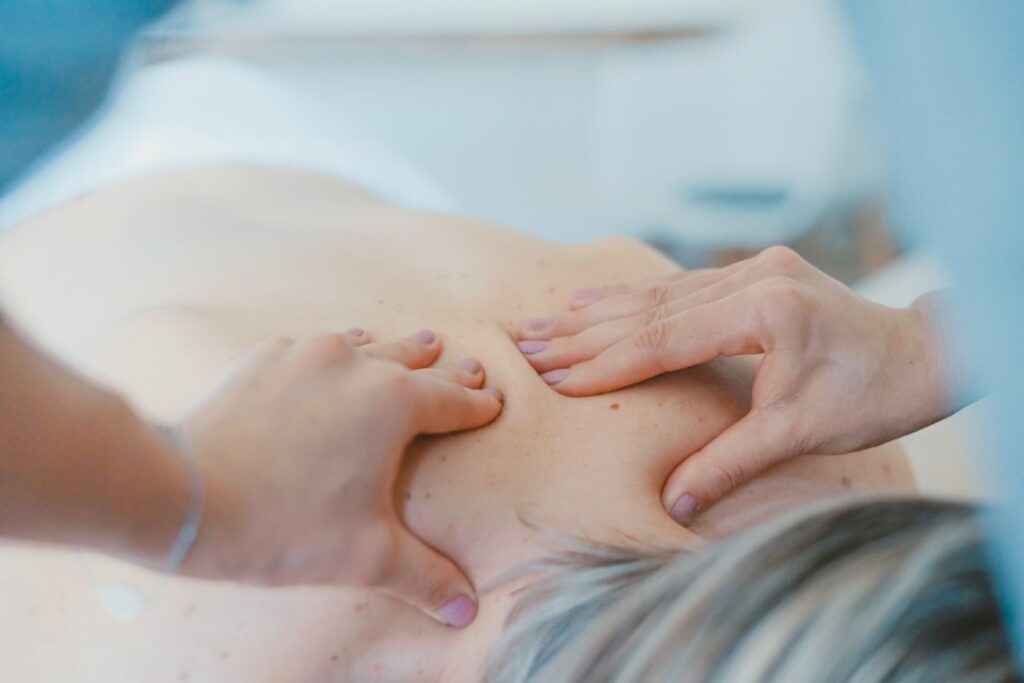
Photo by Navy Medicine on Unsplash
By Sky Highway Marketing · Med Spa Marketing Specialists · Last updated July 2026
Done right, med spa before and after photo marketing is the single most persuasive tool you own. A well-shot, properly consented before-and-after image does more convincing than any ad headline you’ll ever write. Prospective patients don’t want promises. They want proof. According to the American Med Spa Association (AmSpa), visual results content consistently ranks as the top decision-making factor for new med spa patients. That means your photo strategy isn’t a nice-to-have. It’s a revenue driver you’re either using well or leaving money on the table with.
Key Takeaways
- Before and after photos are the highest-converting visual content a med spa can publish, consistently outperforming promotional graphics and lifestyle images in click-through and booking rates.
- According to AmSpa, visual results content is the top decision-making factor for new med spa patients, making photo quality and consistency a direct revenue variable.
- This week, audit your current photo library: standardize your lighting setup, confirm every image has signed consent documentation, and ensure your captions include a treatment name for SEO value.
- The most common mistake med spas make is posting before-and-after photos without a compliance review process, which puts their ad accounts, social profiles, and medical licenses at risk.
Why Your Before and After Photos Aren’t Working Yet
Most med spas post before-and-after content. Far fewer post it strategically. There’s a real difference, and that gap explains why some practices generate a flood of DMs from a single Instagram post while others get crickets from the same type of content.
The problem usually isn’t the treatments. Your results are likely excellent. The problem is inconsistent photography, missing context in captions, no consent framework, and zero distribution plan. You’re putting great results into a broken system and wondering why nothing converts.
Fixing this doesn’t require a professional photographer on staff. It requires a repeatable process. Let’s build one.
Step 1: Build a Compliant Consent Process First
Before you photograph a single patient, your consent process has to be airtight. This isn’t just a legal formality. It’s the foundation your entire photo marketing strategy sits on.
Your consent form needs to specify exactly how the images will be used: social media, your website, paid advertising, email marketing, and any third-party platforms. Vague consent (“photos may be used for marketing”) creates risk. Specific consent protects you and your patients.
Keep these points in mind:
- Use a separate photo consent form, not language buried in your general intake paperwork.
- Specify which platforms are covered. Instagram consent doesn’t automatically cover Facebook Ads.
- Include a face-optional option. Some patients will consent to body photos but not facial shots. That’s still valuable content.
- Store signed forms digitally, linked to each patient’s record, so you can produce documentation instantly if a platform flags your content.
- Review your consent language with a healthcare attorney, especially if you run ads in multiple states.
For a deeper look at what you can and can’t say around these images in ads, read our guide on med spa ad compliance in 2026. It covers the specific platform rules that catch med spa owners off guard.
Step 2: Standardize Your Photography Setup
Inconsistent photos destroy credibility faster than no photos at all. If your before image is taken under fluorescent overhead lighting and your after image is taken near a window on a sunny afternoon, the contrast you’re showing isn’t the treatment. It’s the lighting. Savvy patients notice this. And it makes them distrust everything else you post.
You don’t need a $10,000 camera kit. You need consistency. Here’s the minimum standard setup every med spa should use:
- Dedicated photo spot: Pick one location in your clinic, always. Same wall, same distance from the subject, same angle.
- Ring light or softbox: Natural light varies too much. A consistent artificial light source eliminates the before/after lighting mismatch problem entirely.
- Phone with a fixed camera setting: Modern smartphones shoot excellent medical photography. Lock your exposure and white balance. Don’t use portrait mode, it alters depth and can distort comparisons.
- Standard patient positioning: Front-facing, left profile, right profile, at minimum. Decide on your standard angles per treatment type and stick to them.
- No filters. Ever. A single filtered after photo can cost you your Instagram account and your reputation if it’s called out publicly.
A Note on Timing Your After Photos
Many med spas photograph “after” results too soon. Swelling, redness, and bruising from injectables or resurfacing treatments haven’t resolved. The result looks mediocre even when the actual outcome is outstanding. Build a follow-up photo appointment into your post-treatment workflow. Most treatments photograph best at 2 to 6 weeks post-procedure, depending on the service.
Step 3: Write Captions That Convert (and Rank)
A before-and-after photo without a strong caption is a missed marketing opportunity. The caption is where you build context, communicate value, and capture search intent from Instagram and Facebook’s internal discovery algorithms.
Every caption for a before-and-after post should include:
- The treatment name, spelled out in full (e.g., “Botox for forehead lines” not just “neurotoxin”). People search for specific treatments.
- The problem it solved, framed from the patient’s perspective. Not “we treated perioral rhytids” but “this patient wanted to soften the lines around her mouth.”
- A realistic timeline or number of sessions. “Results shown are from one treatment session, photographed six weeks post-procedure.” This builds trust and sets accurate expectations.
- A soft call to action. “DM us to ask about [treatment name]” consistently outperforms “Book now” in organic social engagement because it invites a conversation instead of demanding a commitment.
- Relevant hashtags at the end. Use treatment-specific tags plus local tags. Both matter for discoverability.
The med spas that win at before-and-after marketing usually treat every caption like a mini-consultation summary. They lead with the patient’s concern, explain the solution briefly, and let the image do the heavy lifting. That combination of empathy plus proof converts far better than any discount offer.
Step 4: Distribute Across Every Relevant Channel
Posting a before-and-after photo once to Instagram and calling it done is leaving serious reach on the table. A single strong result image should work across at least five touchpoints.
Social Media (Organic)
Instagram and Facebook remain the highest-engagement platforms for before-and-after content in 2026. Post natively to each. Don’t just cross-post from Instagram to Facebook automatically, write a platform-appropriate caption for each. For social media strategy that goes deeper, our complete med spa social media strategy covers optimal posting frequency and format by platform.
Paid Advertising
Before-and-after images are among the top-performing creatives in med spa Facebook and Instagram ads, when platforms allow them. Meta has specific rules about what counts as an acceptable “before” image. Review the Meta Business Help Center for their current policies on body image and health-related advertising before you run any paid campaigns using patient photos. Violating these rules gets ads rejected and can restrict your account.
Your Website
Build a dedicated results gallery page for each major treatment category. Visitors who land on a treatment page and see real patient results convert significantly better than those who see stock imagery. Make sure each gallery image has descriptive alt text using the treatment name and city, since Google indexes these for image search.
Email Marketing
Before-and-after photos in email newsletters drive strong click-through rates. Feature one result per email, not a gallery, since individual results with a clear story outperform image dumps. Pair the photo with a short patient story (with consent) and a direct booking link for that specific treatment.
Google Business Profile
This is one of the most underused channels for before-and-after content. You can post patient result photos directly to your Google Business Profile under the photo section. These images appear in local search results and Maps. Most competitors aren’t doing this, which means it’s a real differentiator right now.
Step 5: Build a Results Library, Not Just a Feed
Think of your before-and-after content as a compounding asset, not a one-time post. Every photo you take and properly store becomes part of a library you can draw from for months and years.
Consider this illustrative scenario: a single-location med spa with 12 treatment categories photographs just two strong before-and-after cases per treatment per month. Within six months, they have a substantial library of results content — enough to run a consistent organic social calendar, build robust website galleries, and have fresh creatives ready for every paid campaign without ever scrambling for content. That’s enough to run a consistent organic social calendar, build robust website galleries, and have fresh creatives ready for every paid campaign without ever scrambling for content.
Organize your library by treatment, subtype, patient concern, and season. Seasonal organization matters because some treatments trend at specific times of year. Having a tagged, organized library means you can pull the right content at the right time without digging through folders.
Step 6: Handle Negative Outcomes Proactively
Every experienced med spa owner knows that not every treatment produces the patient’s ideal outcome. The question is how you handle it in your marketing.
First: never post a result you’re not proud of. This sounds obvious, but under pressure to maintain posting frequency, some practices post marginal results. One weak before-and-after that a patient publicly disputes can do more damage than six months of no posting at all.
Second: if a patient is unhappy with their outcome and contacts you about a photo you’ve already posted, respond privately and immediately. Remove the image if there’s any dispute about consent or satisfaction. The reputational risk of a public dispute far outweighs any single piece of content. For a broader framework on protecting your online reputation, the med spa reputation management playbook covers exactly how to handle this.
Step 7: Measure What’s Actually Working
Before-and-after photo marketing needs to be measured like any other channel. Track these metrics for each major post:
- Reach and impressions: How many people saw it?
- Saves: On Instagram, saves are a stronger intent signal than likes. High saves mean people are bookmarking your results for a future decision.
- DMs or comments: Did the post generate direct inquiries?
- Profile visits from the post: Indicates the content made someone curious enough to check out your practice.
- Bookings attributed: If your booking system allows UTM tracking or source attribution, tie specific campaigns back to revenue.
Review these monthly. Double down on the treatment categories and content formats that generate the most saves and DMs. Scale back the ones that don’t move the needle. Data-driven content iteration is what separates a growing med spa social presence from a stagnant one.
Sky Highway Marketing works with med spa owners to build exactly this kind of systematic, measurable before-and-after photo strategy, connected to paid campaigns, local SEO, and email flows so each piece of content works harder across every channel.
Frequently Asked Questions
Can med spas use before and after photos in Facebook and Instagram ads?
Yes, but with restrictions. Meta prohibits before-and-after images that imply a dramatic body transformation or use imagery that could make people feel bad about their bodies. Clinical treatment photos (skin texture, fine lines, localized body concerns) are generally permitted. Always review the current Meta Business advertising policies before running paid campaigns with patient photos, as rules update frequently and ad rejections can restrict your account.
Do I need a signed consent form to post before and after photos?
Yes, always. A signed photo release form specific to marketing use is required. General treatment consent doesn’t cover public use of patient images. Your consent form should name the specific platforms where photos may be used and be stored digitally, linked to the patient’s record, so you can produce documentation quickly if a platform or regulator requests it.
What’s the best platform for med spa before and after photos in 2026?
Instagram remains the strongest platform for before-and-after results content, driven by its visual format and strong local discovery features. However, your Google Business Profile photo section is significantly underused by most med spas and generates real local search visibility. A complete strategy uses both, plus your website gallery and email marketing, rather than relying on any single channel.
How often should a med spa post before and after photos?
Posting frequency is something you will need to calibrate to your own audience, but consistency matters more than volume — a reliable cadence of high-quality result posts outperforms bursts of activity followed by silence. Consistency matters more than volume. A reliable schedule of two high-quality result posts per week outperforms sporadic posting of five in one week and nothing the next. Build a content calendar tied to your treatment schedule so photo capture becomes a standard part of every post-treatment workflow.
Should before and after photos match in lighting and angle?
Absolutely, and this is where most med spas fail. Inconsistent lighting between the before and after image makes it look like the improvement is a photography trick, not a real result. Use the same location, the same light source, and the same camera settings for every before and after pair. A ring light in a dedicated photo spot solves this problem almost entirely.
Can before and after photos help with med spa SEO?
Yes, meaningfully. Images with keyword-rich alt text (e.g., “Botox forehead lines before and after, [City Name]”) are indexed by Google and appear in image search results. A well-organized results gallery page on your website, with treatment-specific copy alongside the photos, also contributes to your overall local SEO performance. This is one of the content strategies that Sky Highway Marketing consistently builds into med spa website structures.
See What AI Says About You
When someone asks ChatGPT or Google for a med spa near you, does your practice come up?
Get My Free AI Visibility Audit
Free, no pitch. See exactly what AI says about med spas in your city, and where you stand.