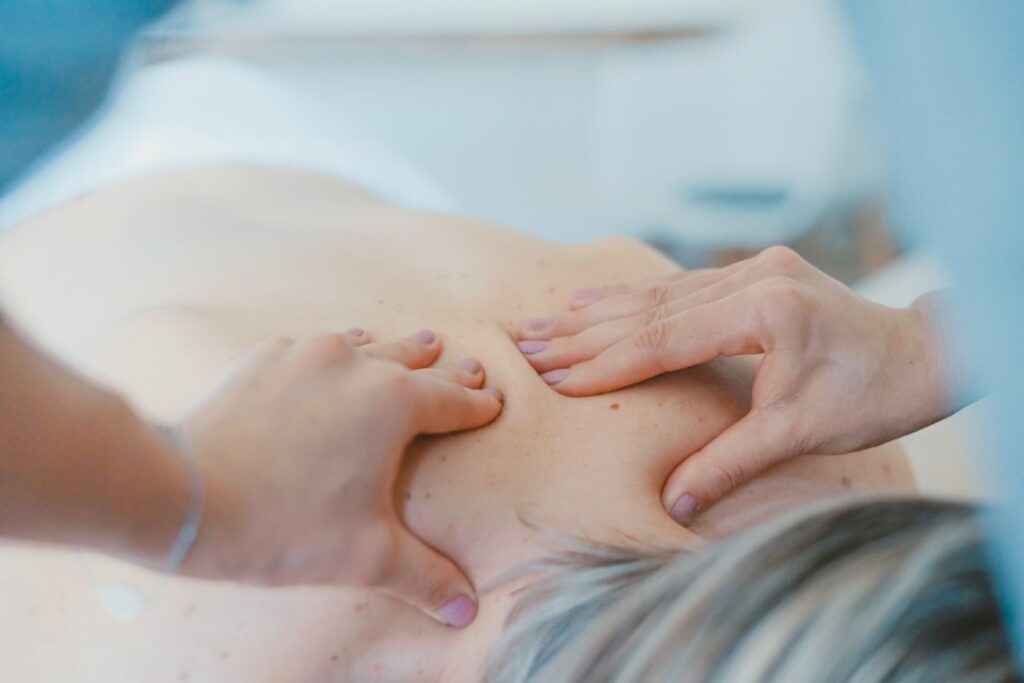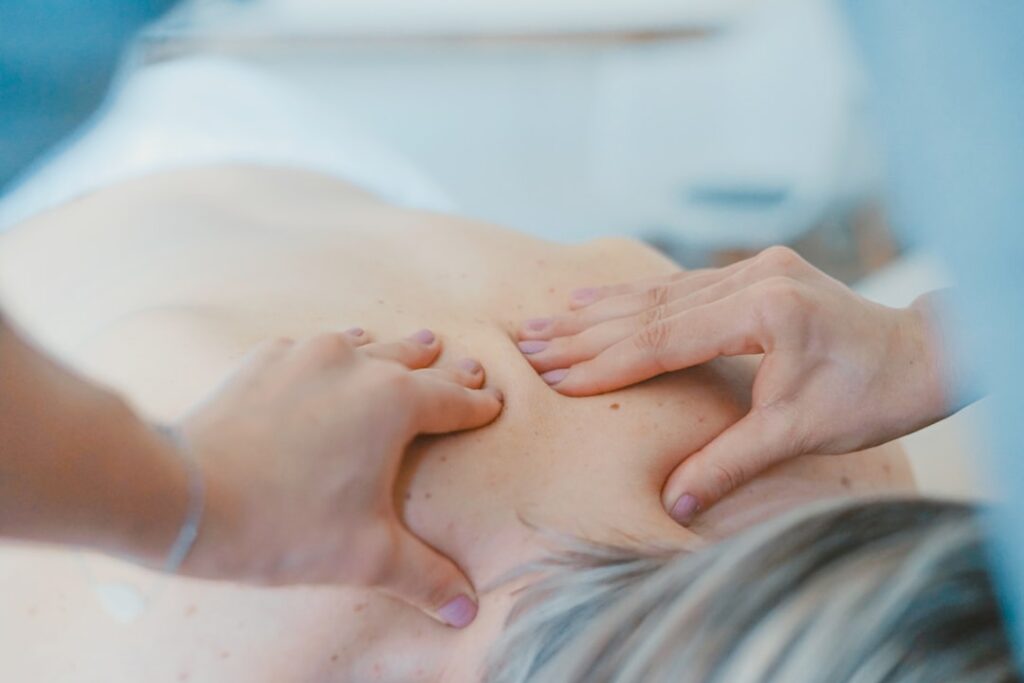
Photo by Marvin Meyer on Unsplash
Med spa before and after photos are one of the most powerful marketing tools you have — and one of the most misunderstood. If you’ve ever wondered whether posting them is worth the risk, the compliance headache, or the time investment, you’re asking exactly the right question. In 2026, before and after content drives more booking decisions than almost any other format. But done wrong, it can get your ads rejected, expose you to legal liability, or quietly damage your brand. This post answers every question med spa owners are asking about before and after photo marketing — so you can post with confidence and results.
Do Med Spa Before and After Photos Actually Drive Bookings?
Yes — significantly. Industry signals consistently point to before and after imagery as among the most-clicked visual content types in medical aesthetics. Posts featuring real patient results are widely observed to outperform promotional graphics or product shots — often by a substantial margin — because the content answers the question every prospective patient is actually asking.
The reason is simple: prospective patients don’t buy treatments. They buy outcomes. A potential client considering lip filler or Botox wants to see what’s possible for someone who looks like them. Before and after photos answer that question faster than any written description ever could.
Furthermore, social proof from real results builds trust at a deeper level than a polished ad. When a viewer sees a genuine transformation from a patient at your specific location, they begin imagining themselves in that result. That mental shift is what moves someone from “maybe someday” to “I need to book this.”
In short, if you’re not posting before and after content in 2026, you’re leaving bookings on the table every single day.
Are Med Spa Before and After Photos Allowed on Social Media?
This is where many med spa owners get tripped up. The answer is: it depends on where and how you post them.
Organic Social Media Posts
On your organic Instagram and Facebook feed, before and after photos are generally permitted. However, both platforms have community standards that restrict graphic medical imagery. That means deep bruising, open wounds, or overly clinical content can trigger removal even without an ad spend behind it.
Most standard aesthetic before and after photos — Botox, filler, laser, skin treatments — post without issue organically. The key is using clean, professional imagery that emphasizes the positive result rather than the medical procedure itself.
Paid Ads Are a Different Story
This is where compliance gets critical. Meta (Facebook and Instagram) explicitly restricts before and after imagery in paid ad creative. Their policies prohibit images that imply body transformation, show “ideal” vs. “imperfect” comparisons, or could create a negative self-image.
As a result, running a before and after photo directly as a paid ad will almost certainly get rejected — and repeated violations can restrict or disable your ad account entirely. If you want to understand the full landscape of med spa ad restrictions, our guide to med spa Instagram ads covers what creative formats actually pass review in 2026.
Google Ads follows similar guidelines. Ads in the healthcare space cannot use before and after imagery that implies guaranteed results or targets body insecurities.
What Are the Legal Requirements for Posting Before and After Photos?
Beyond platform policies, you have legal obligations as a medical practice. These vary by state, but the core requirements are consistent across most U.S. jurisdictions.
Written Patient Consent Is Non-Negotiable
You must have signed, written consent from every patient whose photos you post publicly. This consent should specifically authorize the use of their images in digital marketing and social media. A general treatment consent form does not cover this.
Most medical spas use a dedicated photo release form. The American Med Spa Association (AmSpa) provides compliance resources specifically for this purpose. If you’re not already using AmSpa’s guidance as a baseline, start there.
No Misleading Claims
The FTC requires that before and after results represent typical outcomes — not best-case exceptions. You must either show results that are achievable for most patients or include a disclaimer stating that individual results vary. Omitting this disclaimer on photos that show dramatic results creates real legal exposure.
HIPAA Considerations
If your photos include any identifiable patient information — even just their first name in a caption — you’re entering HIPAA territory. Most practices de-identify their before and after posts by omitting patient names and any details that could identify the individual. Always consult your healthcare attorney before establishing your consent and posting process.
Where Should Med Spas Post Before and After Photos for Best Results?
Strategy matters here. Not every channel performs equally for this content type — and knowing where to focus saves you time and drives more bookings.
Instagram Feed and Reels
Instagram remains the highest-performing organic channel for before and after content in 2026. Static before and after carousels outperform single images because they create a swipe interaction that increases engagement time. Reels using a smooth transition reveal (the “swipe” or “split-screen” format) consistently drive saves and shares, which boost your organic reach.
Additionally, Instagram Stories with before and after content drive direct message inquiries — especially when paired with a “DM to learn more” or poll sticker prompt.
Your Med Spa Website
This is where before and after photos do their heaviest conversion work. A patient who found you through Google or a referral lands on your site ready to evaluate you. A well-organized gallery by treatment type — Botox, filler, laser resurfacing, body contouring — helps them self-qualify and builds the confidence to book.
It is a well-established pattern in medical aesthetics that med spa websites with dedicated treatment galleries meaningfully outperform those without visual proof — because a prospective patient who can see results for their specific concern has far less reason to hesitate. If your website isn’t using before and after photos strategically, read our breakdown of med spa website conversion tactics for a complete picture of what drives bookings on your site.
Email Marketing
Before and after photos work exceptionally well in email campaigns — particularly for treatment spotlights or re-engagement sequences. There are no platform restrictions in your own email list, and visual proof in an email can be the nudge that gets a dormant lead to finally book.
At Sky Highway Marketing, we recommend including one before and after image in every monthly email campaign as a “results spotlight” feature. This keeps your list engaged and consistently reminds past and prospective clients what you’re capable of.
Google Business Profile
Many med spa owners overlook this channel entirely. You can upload before and after photos directly to your Google Business Profile under the “photos” section. These appear in local search results and Google Maps, giving prospects a visual preview of your work before they even visit your website. For a full breakdown of optimizing this channel, see our guide to med spa Google Business Profile optimization.
How Should You Caption and Frame Before and After Posts?
The photo gets the attention. The caption closes the booking. Most med spas underinvest in their caption strategy, which means they get likes but not leads.
Here’s what effective captions include:
- The treatment name and provider: Identify exactly what was done and by whom. This builds trust and improves searchability.
- A brief outcome description: Tell the viewer what they’re looking at — “3 sessions of laser resurfacing, 6 weeks apart” — so they understand the timeline and process.
- A results disclaimer: “Individual results may vary” is not optional — it’s a legal and FTC requirement.
- A clear call to action: “Link in bio to book a consultation” or “DM us with questions” gives the viewer a next step.
- Relevant hashtags: Use location-specific and treatment-specific hashtags to extend your reach beyond your existing followers.
Furthermore, avoid making before and after posts sound clinical or sterile. Write your captions in a warm, human voice that matches how your patients talk about their results. Testimonial-style phrasing — “She came in wanting to feel refreshed” — outperforms technical language every time.
What Photo Quality and Format Standards Should You Follow?
Poor photo quality undermines the credibility of even the best result. If your before and after images look inconsistent or poorly lit, they raise doubt rather than build confidence.
Consistency Is Everything
Your before and after photos should be taken under identical conditions: same lighting setup, same background, same camera angle, same distance from the subject. This ensures that the difference the viewer sees is the result of the treatment — not changes in lighting or framing.
Most med spas use a dedicated photography station with a neutral background, a ring light or softbox setup, and a mounted camera or phone. This takes about 15 minutes to set up once and pays dividends in every photo you take from that point forward.
Photo Format Tips
- Shoot in natural or studio-quality lighting — never fluorescent overhead lighting
- Use a neutral gray or white background for consistency
- Capture front, side (profile), and three-quarter angles for facial treatments
- For body treatments, use consistent positioning and clothing coverage
- Edit minimally — color correction only, no smoothing or reshaping filters
- Export at 1080px square or 4:5 ratio for Instagram optimization
In addition, consider adding a subtle branded watermark or your practice name in the corner of each image. This protects against unauthorized use of your content and reinforces brand recognition when your photos are shared.
Can You Use Before and After Photos in Med Spa Ads at All?
Yes — but not as primary ad creative on Meta or Google. Instead, a compliant workaround that still puts your best results in front of a paid audience is worth building into your strategy from the start.
The approach involves using the before and after content in organic posts, then running engagement ads that drive traffic to those posts rather than using the photo as the ad image itself. This keeps the visual proof in front of a paid audience without triggering the creative restriction flags that get med spa ads rejected.
Another effective method is using video testimonials where the patient describes their result — and showing a single “after” image with no direct before comparison in the ad creative. This communicates transformation without the explicit before/after format that Meta restricts.
For a deeper look at what actually works in paid med spa social advertising, our guide on med spa social media content ideas that get bookings walks through compliant creative formats that drive real results.
An Illustrative Scenario: What Happens When a Med Spa Adds a Proper Gallery
Picture a single-location med spa with strong organic search rankings but low website engagement. Their treatment pages carry only stock imagery and text descriptions — no patient results whatsoever. If that practice implements a structured before and after gallery organized by treatment type, with proper consent forms and a consistent photography setup, the realistic outcome is a meaningful jump in average session time and a significant increase in consultation form submissions, because visual proof gives the skeptical visitor a concrete reason to act.
The change wasn’t in their traffic. It was in what happened after people arrived. Visual proof converted the skeptical visitor who needed one more reason to believe the results were real. The mechanics are straightforward: a visitor scanning your treatment page makes a judgment about your results in a fraction of a second, long before they have read a single sentence — which is why a well-built gallery tends to do more for conversions than months of copywriting improvements.
Summary: Should Your Med Spa Post Before and After Photos?
Absolutely — with the right systems in place. Med spa before and after photos are among the highest-ROI content assets you can create. They build trust, drive bookings, and give prospective patients the visual proof they need to choose you over a competitor.
The key is doing it correctly:
- Get signed, specific photo consent from every patient
- Follow FTC guidelines and include results disclaimers
- Use consistent, professional photography every time
- Post organically on Instagram, your website, and Google Business Profile
- Use compliant workarounds for paid advertising — not direct before/after ad creative
- Write captions that educate, connect, and include a clear call to action
Most importantly, treat your before and after library as a growing asset — and if you want a complete med spa before and after photo marketing strategy to build it the right way from the start, we’ve laid out the full framework. Every result you document and post with permission compounds over time into a body of social proof that consistently brings in new patients — without additional ad spend.
See What AI Says About You
When someone asks ChatGPT or Google for a med spa near you, does your practice come up?
Get My Free AI Visibility Audit
Free, no pitch. See exactly what AI says about med spas in your city, and where you stand.