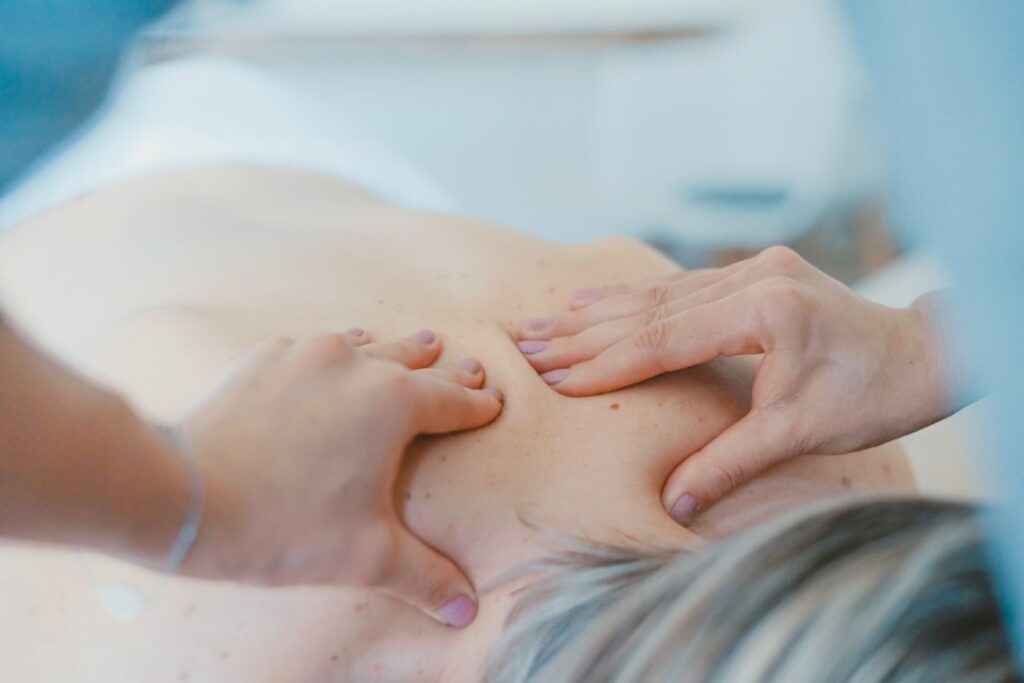
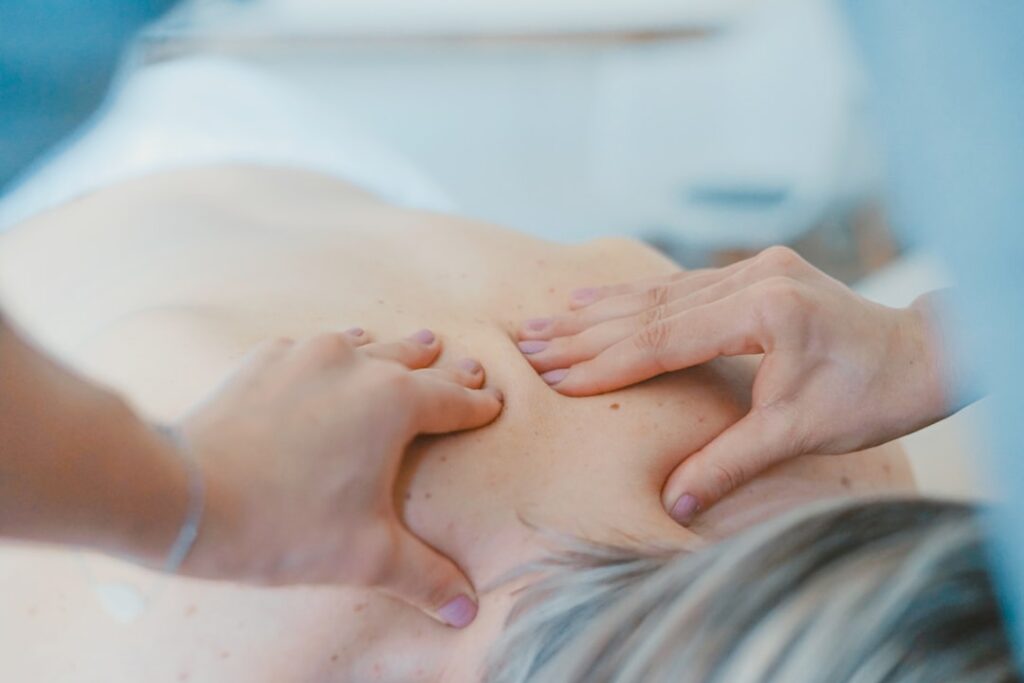
Photo by Toa Heftiba on Unsplash
Targeting is one of the most misunderstood parts of running med spa Facebook ads. Most owners either go too narrow — stacking interests until the audience is too small to work — or they go too broad and burn budget on people who will never book.
Here’s how to think about audience targeting for med spas in 2026, and what actually works.
How Facebook Targeting Has Changed
Three years ago, detailed interest targeting was the main lever. You’d build an audience around specific interests — skincare, Botox, medical aesthetics, luxury beauty — and that would determine who saw your ads.
Meta’s algorithm has gotten significantly smarter since then. It no longer needs you to hand it a perfectly curated list of interests. It learns from the people who engage with your ads, click through, and fill out forms — and it finds more people who look like them.
This shift matters because over-targeting now actively hurts performance. A hyper-narrow audience limits how many people the algorithm can learn from, which means it takes longer to optimize and costs more per lead.
The move for most med spas in 2026 is broader targeting with a strong offer, not narrow targeting with a generic one.
The Baseline Audience for Most Med Spas
For a single-location med spa running lead generation campaigns, this is a reliable starting point:
Location: 15–20 mile radius around your location. In dense urban areas, 10 miles may be enough. In suburban or rural markets, go wider.
Age: Set a range that reflects who actually books in your market. Most med spa practices skew toward working-age adults, and tightening the floor and ceiling from the platform defaults is usually worth doing.
Gender: Women only, unless you offer services with meaningful male demand (hair restoration, certain body treatments). Most aesthetic services skew heavily female.
Interests: Leave broad, or add one or two light signals like “skincare” or “wellness.” Don’t stack more than two — you’re giving the algorithm a nudge, not a blueprint.
The resulting audience size will vary considerably by market — a dense metro and a mid-size suburban area are very different — but the goal is enough room for the algorithm to find your best prospects without being so wide it has no signal at all.
When to Use Lookalike Audiences
Lookalike audiences are one of Facebook’s most powerful tools — and most med spas never use them.
A lookalike audience is built from a source: your existing customer list, your website visitors, or people who have already engaged with your ads. Facebook finds new people who share characteristics with that source.
For a med spa with a meaningful existing client list, uploading that list and building a 1–2% lookalike audience is often more effective than any interest-based targeting. You’re essentially telling Facebook: find more people who look like my best clients.
If you don’t have enough data for a lookalike yet, start with broad interest targeting and build toward it. Once you have a large enough pool of leads or customers in your account, lookalikes become a serious weapon — the more signal you give the algorithm, the better the match quality.
Retargeting: The Audience Most Med Spas Ignore
Most med spa Facebook ad budgets go entirely to cold audiences — people who have never heard of the business. That’s fine for growth, but it ignores the people most likely to convert.
Retargeting lets you show ads specifically to people who have already interacted with your business: visited your website, watched your videos, filled out a form but didn’t book, or engaged with your Instagram.
These people already know you exist. The bar to convert them is much lower. And because the audience is smaller and warmer, retargeting campaigns are usually far cheaper per lead.
A basic retargeting setup for a med spa:
Website visitors in the last 30 days who didn’t convert. People who watched 50%+ of a video ad. People who opened a lead form but didn’t submit.
Even a small retargeting budget — $200–$300/month — running alongside your main cold campaign can meaningfully improve your overall cost per booked appointment.
What Not to Do With Targeting
A few targeting mistakes that consistently hurt med spa campaigns:
Going too narrow. A very small local audience usually can’t generate enough volume for the algorithm to optimize. If your audience size is that small, broaden it.
Stacking too many interests. Adding interest after interest feels like precision. It’s actually restriction. Each interest you add removes people from the pool. Two interests maximum.
Excluding too aggressively. Exclusions can be useful — excluding existing customers from cold campaigns, for example — but over-excluding shrinks your audience and limits learning.
Changing targeting too often. Every time you significantly change an audience, the campaign re-enters the learning phase. Give a targeting set at least two weeks before evaluating and adjusting.
The Bottom Line
Targeting for med spa Facebook ads is less about finding the perfect audience and more about giving the algorithm enough room to find your best customers on its own.
Start broad. Use location, age, and gender as your main filters. Add a lookalike audience once you have the data. Run a small retargeting campaign alongside your cold traffic. And resist the urge to over-engineer the audience — the offer and creative matter more.
If you want to talk through the right targeting setup for your specific med spa and market, that’s exactly what a free strategy call is for.
Book a free 15-minute strategy call here.
Related Reading
Targeting is only one piece — once you have the right audience, How to Write Facebook Ad Copy for Med Spas covers what to say to them. If things still aren’t clicking, Why Are My Med Spa Facebook Ads Not Working? covers the full range of reasons ads underperform. And before you scale spend, make sure you understand What’s a Good ROAS for Med Spa Facebook Ads?
See What AI Says About You
When someone asks ChatGPT or Google for a med spa near you, does your practice come up?
Get My Free AI Visibility Audit
Free, no pitch. See exactly what AI says about med spas in your city, and where you stand.