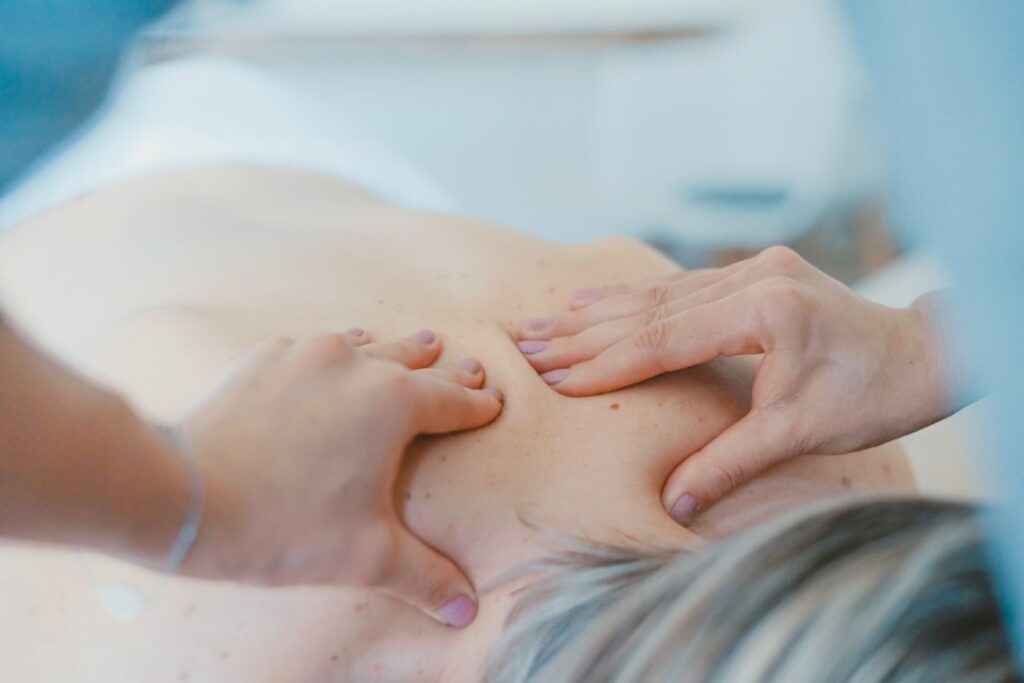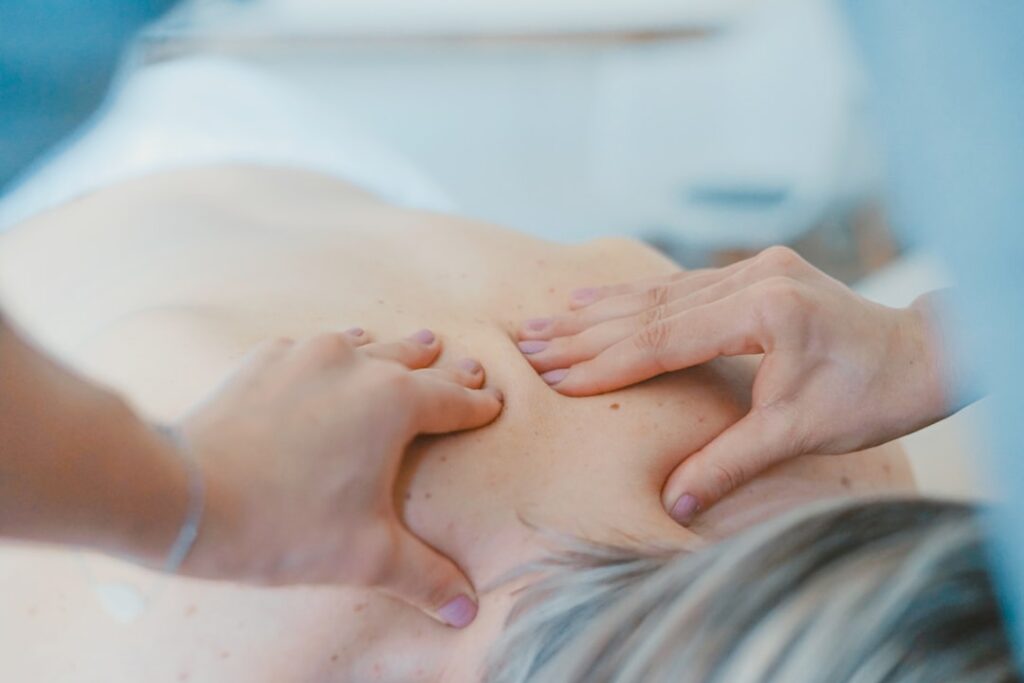
Photo by Karen Platt on Unsplash
By Sky Highway Marketing · Med Spa Marketing Specialists · Last updated June 2026
Med spa patient reactivation is one of the fastest and most cost-efficient ways to grow your revenue in 2026. Your lapsed clients already know you, already trust your team, and already spent money with you once. According to the American Med Spa Association (AmSpa), acquiring a new patient costs five to seven times more than reactivating a previous one. That means the most valuable marketing asset sitting in your business right now isn’t your ad budget. It’s your existing client list.
Key Takeaways
- Med spa patient reactivation costs five to seven times less than acquiring a new patient, according to AmSpa data, making it the highest-ROI marketing activity most med spas ignore.
- A lapsed client is typically defined as anyone who hasn’t booked in 90 to 180 days, and your CRM should flag these clients automatically so you never miss a reactivation window.
- Send a personalized three-part reactivation sequence (email, SMS, and a personal call) within the first week of a client going lapsed to maximize your rebooking rate.
- Avoid mass-discount reactivation blasts. They train clients to wait for deals and erode your brand positioning over time.
Why Lapsed Clients Are Your Most Overlooked Revenue Source
Most med spa owners spend their marketing dollars chasing new leads. And that makes sense on the surface. But as we explored in our contrarian take on lead chasing, the obsession with new patients often blinds owners to the revenue hiding inside their own databases.
Think about it this way. A client who came in for a Botox treatment six months ago and never returned didn’t necessarily leave because she’s unhappy. Life gets busy. Priorities shift. People forget. Sometimes all it takes is one well-timed message to bring someone back for two or three more appointments per year.
In most med spa databases, a substantial share of records belong to clients who haven’t booked in over 90 days — a segment that tends to be far larger than owners expect until they actually pull the numbers. That’s a massive segment being left completely uncontacted while owners pour money into Google Ads and Instagram campaigns targeting cold strangers.
Reactivation isn’t glamorous. But it works. And in 2026, with med spa Google Ads costs rising steadily, the math on reactivation looks better than ever.
How to Define a “Lapsed” Med Spa Client
Before you build a reactivation campaign, you need a clear, consistent definition. Otherwise you’re guessing.
Here’s a simple framework most med spas can apply immediately:
- Active client: Booked within the last 60 days, or has a future appointment scheduled
- At-risk client: No visit in 61 to 90 days with no future booking
- Lapsed client: No visit in 91 to 180 days
- Dormant client: No visit in over 180 days
Each segment needs a different approach. At-risk clients need a gentle nudge. Lapsed clients need a clear reason to return. Dormant clients need something more compelling, like a reintroduction to your services or a significant value offer.
Your CRM should be doing this segmentation automatically. If it isn’t, that’s a setup problem worth fixing today. Check out our guide to the best CRM tools for med spas in 2026 to make sure you’re using software that actually supports this kind of automation.
The Med Spa Patient Reactivation Sequence That Actually Works
The single biggest mistake med spa owners make with reactivation is sending one generic email and calling it done. Real reactivation requires a multi-touch sequence across multiple channels. Here’s what works in 2026.
Step 1: The Personal Email (Day 1)
Start with an email that feels personal, not promotional. Use the client’s first name. Reference the specific treatment she received. Keep the tone warm and direct.
A strong subject line might be: “We miss you, [Name]” or “[Name], it’s been a while.” Nothing spammy. No discount announced in the subject line. Just a human touch that gets the email opened.
The body of the email should:
- Acknowledge the time that’s passed without being awkward about it
- Mention one or two services relevant to her treatment history
- Include a single, clear call to action (book an appointment)
- Keep it short, under 150 words
Personalization works because the email reads like it was written for one person rather than blasted to a list — and that distinction alone does most of the work in getting a lapsed client to click. In med spa reactivation, that gap is even wider because clients have a personal relationship with your brand.
Step 2: The SMS Follow-Up (Day 3)
If the email didn’t convert, send a brief SMS two days later. Text messages are read almost immediately after delivery, which makes them the most reliable channel for reaching lapsed clients quickly.
Keep your text to two or three sentences. Something like: “Hi [Name], it’s [Your Spa Name]. We’d love to see you again. Book your next appointment here: [link].” Don’t overthink it. Simple and personal wins.
For a deeper dive into how email and SMS work together as a reactivation channel, the breakdown in our SMS vs email marketing comparison for med spas is worth reading before you set up your automation.
Step 3: The Personal Call or DM (Day 7)
For high-value lapsed clients, specifically those who spent over a certain threshold or visited frequently, a personal phone call or direct message can be the difference maker. Your front desk team should have a short script and a list of priority clients to call each week.
This doesn’t need to be a sales call. It’s a check-in. “Hi [Name], we just wanted to make sure everything was great during your last visit and see if you’d like to come in for a touch-up.” That’s it.
What to Offer in a Reactivation Campaign
Here’s where a lot of med spa owners go wrong. They immediately jump to a steep discount to win clients back. And while an incentive can help, discounting as a default strategy has real costs to your brand.
Instead, consider these approaches:
- Complimentary add-on: Offer a free lip flip, dermaplaning, or other low-cost enhancement with any booked service. It adds value without cutting your price.
- Priority booking: Tell lapsed clients they get early access to your most popular appointment slots or a new treatment you’ve just added.
- Loyalty points bonus: If you run a loyalty program, offer double points on their next visit. This rewards returning clients while reinforcing long-term behavior.
- Limited-time offer (with a real deadline): A 15% discount on their next Botox appointment, valid for 14 days, creates urgency without giving away margin on every service you offer.
The key is specificity. A vague “come back and save” message doesn’t work. A message tied to a specific service, a real deadline, and a clear next step does.
A Real-World Reactivation Result
Picture a single-location med spa with 340 clients in the lapsed window running a three-step email and SMS sequence through their existing CRM. If a three-step sequence brings back even one in eight of those 340 lapsed clients, that’s more than 40 recovered appointments — and at a mid-range ticket price, a practice in that position could realistically see well over $10,000 in recovered revenue without spending a dollar on paid ads.
That’s not a special case. It’s what happens when you treat your existing database like the asset it actually is, rather than letting it sit idle while you pay for cold traffic.
Automating Your Reactivation Campaigns
Manual reactivation doesn’t scale. If you’re relying on your front desk to remember who’s lapsed and when, you’re going to miss most of the opportunity most of the time.
The right med spa CRM should let you:
- Automatically tag clients by last visit date
- Trigger a reactivation sequence when a client hits the 90-day mark
- Pause the sequence automatically when a client books
- Track reactivation rate by campaign and by time segment
Most modern platforms built for med spas support this out of the box. Set it up once, review performance monthly, and refine your messaging based on what’s converting.
Automation also ensures consistency. Your reactivation doesn’t stop when your front desk manager takes a week off. It runs whether you’re in the office or not.
Common Reactivation Mistakes to Avoid
Reactivation campaigns fail for predictable reasons. Avoid these:
- Sending the same message to everyone. A client who came in once for a facial needs a different message than a loyal patient of three years who suddenly went quiet.
- Ignoring the reason they lapsed. Sometimes clients stop coming because of a bad experience. If your reactivation email goes out before you’ve reviewed feedback from that visit, you’re pouring salt in a wound.
- Using subject lines that sound like spam. “HUGE SAVINGS INSIDE!” will get your email deleted before it’s read.
- No clear call to action. Every message in your sequence needs one specific next step. Don’t ask them to “check out our services.” Ask them to book a specific appointment.
- Giving up after one message. Most reactivations happen on the second or third touchpoint. A single email is rarely enough.
Tracking Your Reactivation Results
Med spa patient reactivation is only worth doing if you measure it. Set up tracking for these specific metrics each month:
- Reactivation rate: Percentage of contacted lapsed clients who booked an appointment
- Revenue recovered: Total revenue generated from reactivated clients in the campaign window
- Cost per reactivation: Total campaign spend divided by number of clients reactivated
- Second-visit rate: How many reactivated clients booked again within 60 days
What counts as a healthy reactivation rate depends on how long the list has been cold, how segmented the outreach is, and the strength of the offer — anyone quoting you a universal benchmark before seeing your list is guessing. If you’re below that, the problem is usually in the messaging, the timing, or the offer, not the channel.
For broader context on how reactivation fits into your overall marketing performance, our breakdown of med spa ad ROI benchmarks for 2026 gives you the full picture of where reactivation stacks up against paid acquisition — and pairing that data with a strong med spa patient retention strategy ensures the clients you reactivate keep coming back long-term.
Frequently Asked Questions
How do you reactivate lapsed med spa patients?
The most effective med spa patient reactivation approach uses a three-step sequence: a personalized email on day one, an SMS follow-up on day three, and a personal call or direct message on day seven for high-value clients. Each message should reference the client’s specific treatment history and include a single, clear call to action to book an appointment.
How long before a med spa client is considered lapsed?
Most med spas define a lapsed client as anyone who hasn’t visited in 90 to 180 days without a future appointment scheduled. Clients in the 61-to-90-day window are considered at-risk and can be nudged back with a simpler reminder. Clients absent for over 180 days are dormant and typically require a stronger value offer to reactivate.
Should I offer a discount to win back lapsed med spa patients?
Discounts can work as part of a reactivation offer, but they shouldn’t be your default tool. Better alternatives include complimentary add-ons, priority booking access, or loyalty point bonuses. If you do use a discount, tie it to a specific service and a hard deadline of 14 days or less to create genuine urgency without training clients to always wait for a deal.
What’s a realistic reactivation rate for a med spa?
What a well-executed med spa reactivation campaign returns depends on how cold the list is, how well the offer matches the client’s history, and how many touchpoints the sequence includes — the right answer looks different for every practice. Rates below 15% usually indicate issues with messaging personalization, timing, or the offer itself. Rates above 25% are achievable with strong segmentation and a multi-channel sequence.
How often should a med spa run reactivation campaigns?
The most effective approach is to run reactivation automatically, triggered by each client’s last visit date, rather than as a periodic mass campaign. This way, every client receives a reactivation message at exactly the right moment. Supplement this with a quarterly manual campaign targeting dormant clients (180-plus days lapsed) who may have slipped through automated sequences.
Does med spa patient reactivation work better than running new ads?
For most med spas, reactivation delivers a higher return per dollar than cold-audience advertising because the client already knows and trusts your brand. According to AmSpa, reactivating a former patient costs five to seven times less than acquiring a new one. That said, reactivation and paid ads work best together as complementary strategies rather than as alternatives to each other.
See What AI Says About You
When someone asks ChatGPT or Google for a med spa near you, does your practice come up?
Get My Free AI Visibility Audit
Free, no pitch. See exactly what AI says about med spas in your city, and where you stand.