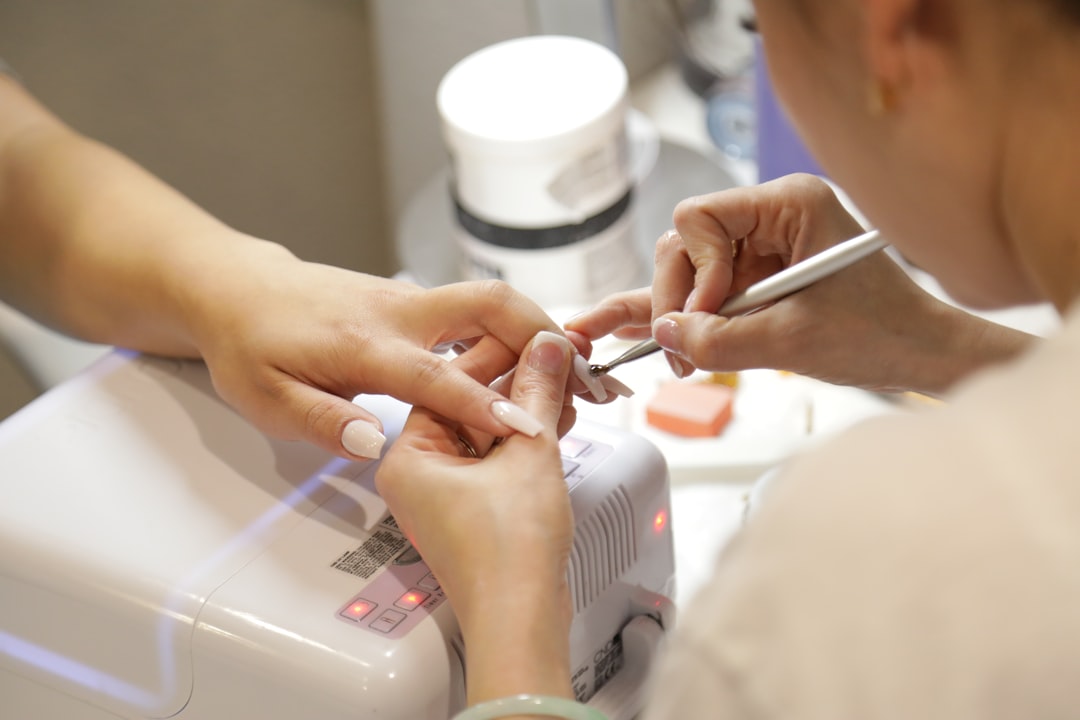
Photo by Giorgio Trovato on Unsplash
Med spa scaling multiple locations is one of the most rewarding — and most mismanaged — moves a med spa owner can make. You’ve built a thriving single location, your books are full, and now you’re ready to expand. But what worked at location one won’t automatically work at location two or three. In 2026, scaling a med spa requires a deliberate, location-specific marketing strategy that maintains brand consistency while speaking to each community individually. This post walks you through exactly how to do that.
Why Multi-Location Med Spa Marketing Fails
Most med spa owners approach expansion by simply copying their original marketing playbook and pasting it onto the new location. That’s a costly mistake. Each market has different demographics, different competitors, and different search behavior.
Furthermore, your brand recognition doesn’t transfer automatically. The loyal patients at your first location took months or years to build. Your second location starts from zero — even if it’s just across town — which means you’ll need a focused plan to get more med spa patients at your new location.
Consider a med spa that opens a second location with strong services and a beautiful buildout, only to sit well below capacity six months in — simply because the marketing wasn’t built around the new market from day one. The fix isn’t spending more money. It’s spending it differently.
Before you run a single ad for a new location, make sure you’ve read what to do before you run ads for your med spa — those fundamentals become even more critical when you’re stretching your attention across multiple sites.
Build a Location-Specific Digital Presence First
The foundation of med spa scaling multiple locations is giving each location its own digital footprint. That means separate assets for each site — not shared pages or duplicate content.
What Each Location Needs Before Launch
- Its own Google Business Profile with the correct address, phone number, and service area
- A dedicated location page on your website (e.g., yourmespa.com/dallas or yourmespa.com/plano)
- Unique written content on that page — not duplicated from your main site
- Location-specific reviews on its own Google profile
- Local citations (Yelp, Healthgrades, RealSelf) with consistent NAP — name, address, phone number
According to Google Business Profile guidelines, each physical business location qualifies for its own listing. Use that. A fully optimized Google Business Profile is often your highest-converting free marketing asset at any location. For a deeper breakdown, see our guide to Med Spa Google Business Profile optimization.
Location Pages That Actually Convert
Your location pages need to do more than list an address. Each page should include:
- The neighborhood name and nearby landmarks in the copy
- Services specific to that market (based on local demand data)
- Staff photos and bios from that location
- Localized patient testimonials
- A booking widget tied to that location’s calendar
This structure tells Google — and your future patients — that this isn’t just another branch. It’s a real presence in their community.
Local SEO Strategy for Each New Location
Local SEO becomes exponentially more important when you scale. You’re not just trying to rank for “med spa near me” — you’re trying to rank for that phrase in three, four, or five different cities simultaneously.
In 2026, local search rankings are heavily influenced by:
- Google Business Profile completeness and activity — post weekly, respond to every review
- Proximity signals — your physical address relative to the searcher
- Review velocity — how frequently you’re earning new reviews at each location
- On-page local relevance — city and neighborhood mentions throughout your location page
- Backlinks with local context — coverage from local news, chambers of commerce, and community blogs
Each location needs its own review-generation system. Don’t assume happy patients at location two will leave reviews on their own. Build a post-visit email or text sequence that routes them to the correct Google profile for their location. Our post on Med Spa Google reviews covers exactly how to build that system.
Paid Ads: How to Structure Campaigns Across Locations
Running paid ads across multiple med spa locations requires a structured campaign architecture. If you run one shared campaign with one shared budget, you’ll cannibalize your own results — your best-performing location will eat the budget meant for the newer one.
The Right Campaign Structure for Multi-Location Med Spas
Most importantly, give each location its own ad campaign. This applies to both Google Ads and Meta (Facebook and Instagram) ads. Here’s why:
- You control budget per location independently
- You track performance per location — cost per lead, cost per booking, ROAS
- You can scale up ads in a market that’s responding and pull back where results are slow
- You avoid geographic overlap in targeting that wastes spend
In addition, your ad creative should reflect each location’s community. A photo taken inside your original location won’t resonate as strongly with prospects in a new city who haven’t heard of you yet. Use local imagery, local staff, and local testimonials wherever possible.
For a clear framework on evaluating whether your ad spend is working at each location, review our breakdown of med spa ad ROI benchmarks so you know exactly what numbers to expect in 2026.
Google Ads for New Locations
When you open a new location, Google Ads is often the fastest way to drive bookings while your organic SEO builds momentum. However, new markets often mean higher cost-per-click because you don’t yet have the Quality Score history that benefits your original location’s campaigns.
Plan for this. Budget slightly higher for a new location during its first 60–90 days. As your Quality Score improves and local SEO gains traction, you can scale back paid spend and rely more on organic traffic.
Brand Consistency vs. Local Relevance — How to Balance Both
This is the central tension in multi-location med spa marketing. Your brand needs to look and feel consistent across all locations — same logo, same colors, same tone, same quality standards. But your marketing needs to feel local to each community.
The solution is a two-layer approach:
- Brand layer — Centrally controlled. Your website design, brand voice, service menu, pricing presentation, and overall patient experience.
- Local layer — Managed per location. Social media content, Google Business Profile posts, local promotions, community partnerships, and location-specific ads.
In practice, this means your corporate marketing team (or your agency) handles brand-level strategy and assets, while each location manager handles local engagement — responding to reviews, posting local content, and connecting with the community.
Social Media at Scale
Decide early whether each location gets its own social media accounts or whether you run one brand account. Both models can work — but each has trade-offs.
- Separate accounts per location: Better for local community building, local hashtags, and location-specific content. Harder to manage and grow multiple audiences simultaneously.
- Single brand account: Easier to maintain one strong following. However, content can feel less relevant to patients at specific locations.
Many successful multi-location med spas in 2026 run a central brand account with location-tagged posts and local highlights, rather than maintaining five separate accounts with thin audiences. Whatever you choose, your med spa social media content strategy needs a clear posting calendar for each market.
Email Marketing and CRM: The Backbone of Multi-Location Retention
At scale, your CRM becomes the most important tool in your marketing stack. You need a system that tracks patients by location, segments communication appropriately, and automates follow-up without making a patient at location two feel like they’re getting messages about location one.
Segmented email campaigns consistently outperform non-segmented ones in open rates and click-throughs — because patients respond to messages that are actually relevant to them. For med spas with multiple locations, this isn’t optional — it’s the difference between nurturing patients effectively and sending confusing, irrelevant emails that drive unsubscribes.
Your CRM should allow you to:
- Tag patients by their home location
- Send location-specific promotions and appointment reminders
- Suppress cross-location messaging unless a patient has visited multiple sites
- Track revenue and retention per location independently
For a full breakdown of what to look for in a multi-location med spa CRM, see our guide to the best CRM for med spas in 2026.
Launching a New Location: The 90-Day Marketing Blueprint
A new med spa location needs a concentrated launch sequence — not a soft open with a post on Instagram. Here’s a proven 90-day framework:
Days 1–30: Build Awareness
- Claim and fully optimize the Google Business Profile
- Launch geotargeted Facebook and Instagram ads in the new market
- Send an announcement email to your full patient list — especially anyone near the new location
- Publish the location page on your website with unique, SEO-optimized content
- Partner with 2–3 local businesses or influencers for cross-promotion
Days 31–60: Drive First Bookings
- Run a launch offer — not a deep discount, but a compelling first-visit incentive
- Activate Google Ads for high-intent local searches
- Begin collecting and publishing reviews on the new Google profile
- Host a VIP preview event for your existing patients in the area
Days 61–90: Build Retention From Day One
- Enroll new patients in your membership or loyalty program immediately
- Launch a post-visit email automation sequence specific to the new location
- Analyze cost-per-booking data and reallocate ad budget accordingly
- Start building a local referral network with nearby physicians and wellness providers
The pattern across the industry is clear: med spas that launch with a deliberate 90-day plan tend to reach capacity faster than those who simply “open the doors and see what happens.”
How to Know When You’re Ready to Scale
Scaling before you’re ready is one of the most expensive marketing mistakes a med spa owner can make. Before you invest in a second location’s marketing, make sure you can answer yes to all of the following:
- Is location one consistently booked out, with a waitlist or minimal open appointments week over week?
- Do you have a documented, repeatable marketing system — not just tactics that work because you personally manage them?
- Do you have a CRM that can handle multi-location segmentation?
- Do you have a marketing partner who specializes in med spa growth strategy — not just one who handles social media posts?
- Do you have a realistic budget for a 90-day launch campaign at the new site?
Multi-location med spa businesses have been among the most active areas of growth in the industry heading into 2026. However, second locations frequently underperform in their first year because owners underestimate the marketing investment required to establish brand recognition in a new market.
Sky Highway Marketing works exclusively with med spa owners — and we specialize in helping established practices build the marketing infrastructure needed to scale successfully. Whether you’re planning your second location or your fifth, the strategy has to come before the spend.
See What AI Says About You
When someone asks ChatGPT or Google for a med spa near you, does your practice come up?
Get My Free AI Visibility Audit
Free, no pitch. See exactly what AI says about med spas in your city, and where you stand.