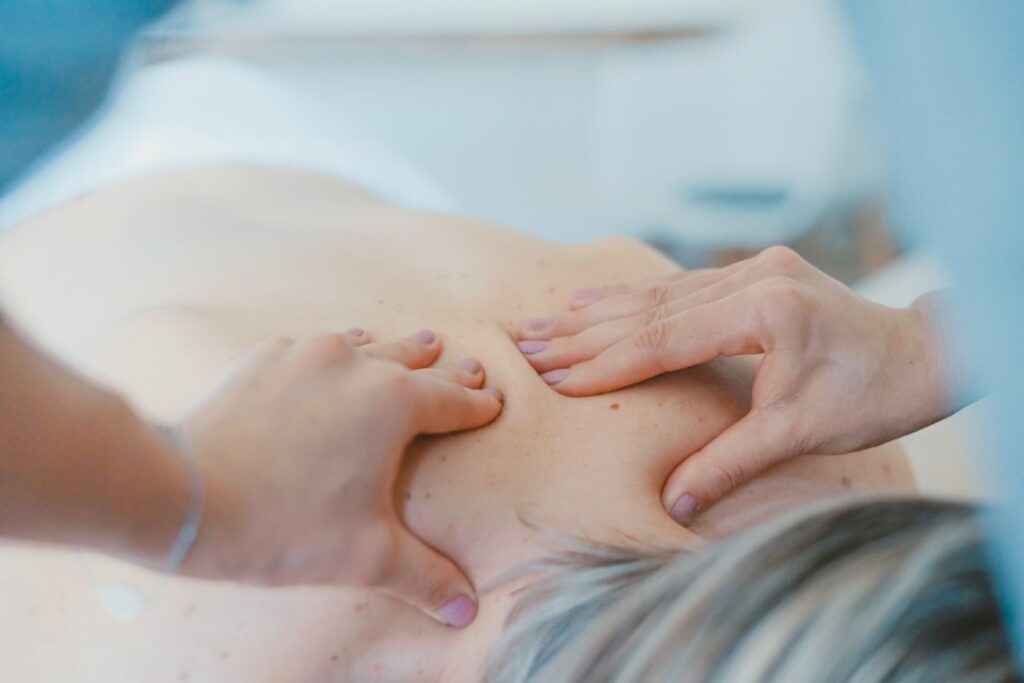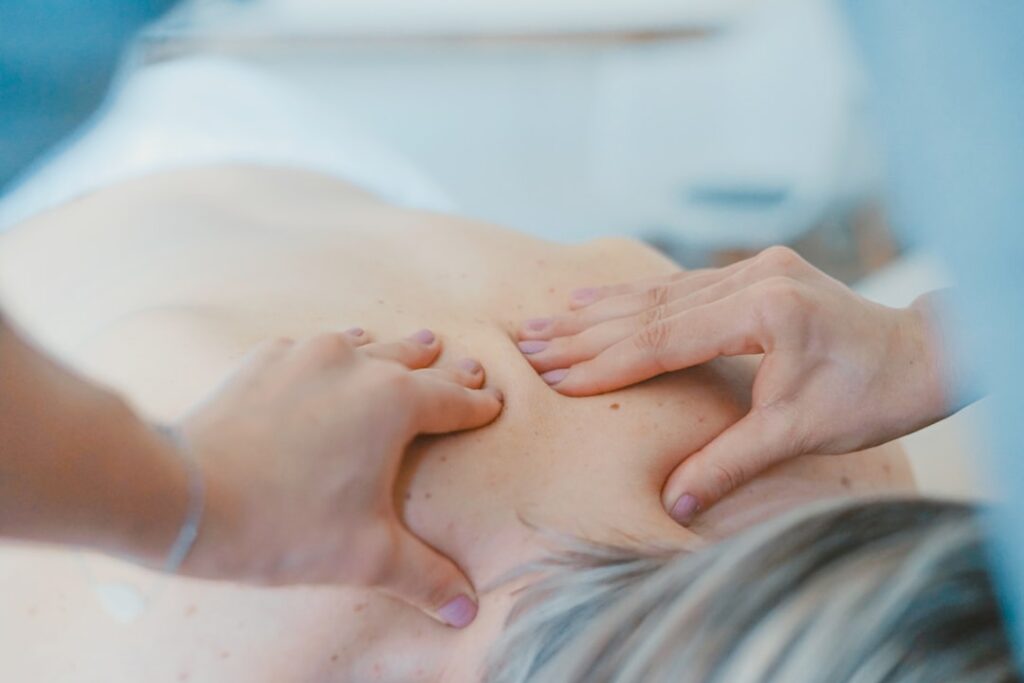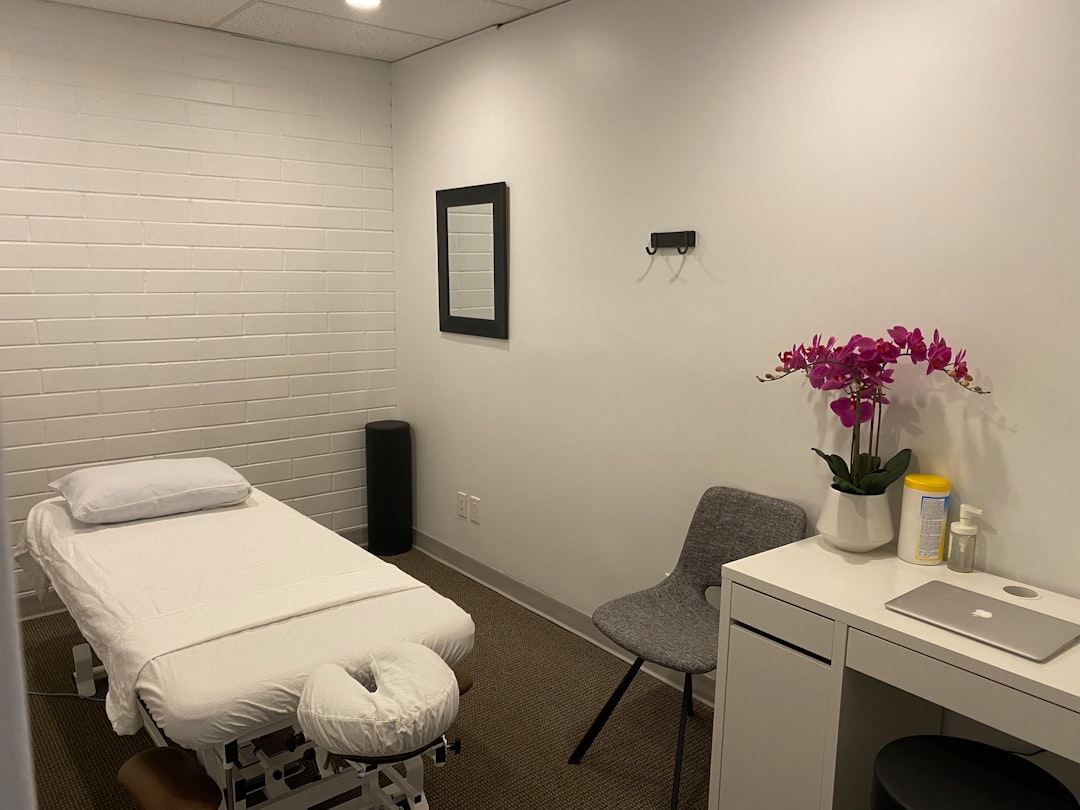
Photo by Kimiya Sabbaghan on Unsplash
By Sky Highway Marketing · Med Spa Marketing Specialists · Last updated June 2026
Med spa conversion rate optimization (CRO) is the process of systematically improving your website, landing pages, and booking flow so that a higher percentage of visitors take action, typically booking a consultation or appointment — and if you want to see exactly how that plays out in practice, our guide on turning med spa website visitors into bookings breaks it down step by step. Instead of spending more money to drive additional traffic, CRO squeezes more revenue out of the visitors you already have. For med spa owners in 2026, this is one of the highest-return marketing investments available.
Key Takeaways
- Med spa conversion rate optimization means improving your website and booking flow so more visitors become paying clients, without increasing your ad spend.
- According to HubSpot, the average website conversion rate across industries sits around 2.4%. High-performing med spa websites can reach meaningfully higher rates when CRO is applied deliberately — and the gap between a well-optimized site and an unoptimized one is often larger than owners expect.
- Start this week by running a heatmap tool (like Hotjar or Microsoft Clarity) on your booking page to see exactly where visitors drop off before converting.
- The most common CRO mistake med spas make is sending paid ad traffic directly to their homepage instead of a dedicated, offer-specific landing page.
Why Conversion Rate Optimization Matters for Med Spas
Most med spa owners think about growth in terms of more traffic. More Google Ads clicks, more Instagram followers, more email subscribers. But traffic without conversion is just an expense.
Consider this: if your website currently converts at 2% and you’re getting 1,000 visitors per month, you’re booking roughly 20 consultations. Raise that conversion rate to 4%, and you’re booking 40 consultations from the same traffic. You’ve doubled your leads without spending an extra dollar on ads.
That math matters even more because, as we covered in detail in our post on why med spa Google Ads costs are rising in 2026, cost-per-click in the aesthetics space has climbed sharply. Every dollar of ad budget needs to work harder. CRO is how you make that happen.
Med spas also operate in a trust-sensitive niche. Patients are making decisions about their appearance and their health. A confusing website, a buried phone number, or a slow booking form signals unprofessionalism. And unprofessional signals destroy conversions fast.
How Med Spa Conversion Rate Optimization Works
CRO is not a single tactic. It’s a framework made up of several interconnected components. Each one addresses a different friction point in the visitor’s journey from landing on your site to booking an appointment.
1. Diagnosing Your Current Conversion Rate
Before you can improve anything, you need a baseline. Your conversion rate is calculated by dividing the number of completed bookings (or form submissions) by the total number of website visitors, then multiplying by 100.
Set up Google Analytics 4 with conversion events tied to your booking confirmation page. If you don’t have that in place yet, you’re flying blind. The logic holds regardless of industry: businesses that track conversions rigorously can act on what the data shows, while those flying blind have no reliable way to know what is working and what is not.
2. Analyzing Where Visitors Drop Off
Use a behavior analytics tool like Hotjar or Microsoft Clarity (both have free tiers). These tools record heatmaps and session replays, showing you exactly where visitors click, scroll, and abandon your pages.
Common drop-off points for med spas include service pages with no clear call-to-action, booking forms that ask for too much information upfront, and checkout or deposit steps that feel unexpected. Find the leak before you try to fix it.
3. Optimizing Landing Pages
Landing pages are the highest-leverage CRO asset a med spa has. A well-built landing page for a specific service (Botox, laser resurfacing, body contouring) outperforms a generic homepage every time. Our deep-dive on med spa landing page optimization covers the exact elements that drive bookings, but the core principle is this: one page, one offer, one action.
Remove navigation menus from your ad landing pages. Cut every distraction. Make the booking button the most obvious thing on the screen.
4. Building Trust Signals
Trust signals are the elements that tell a first-time visitor your med spa is credible and safe. They include:
- Google review count and star rating, displayed prominently
- Before-and-after photos with patient consent disclosures
- Provider credentials and licensing information
- Real staff photos (not stock images)
- Clear refund, cancellation, and privacy policies
The American Med Spa Association (AmSpa) consistently identifies transparency and credential display as critical factors in patient trust. Visitors who trust your site convert at dramatically higher rates than those who don’t.
5. Speed and Mobile Experience
Google reports that 53% of mobile users abandon a site that takes longer than three seconds to load. Most med spa visitors are on mobile. A slow, clunky site kills conversions before a visitor even reads your headline.
Test your site speed at PageSpeed Insights. Fix image sizes, reduce plugins, and use a fast hosting provider. Then test every step of your booking flow on a phone, not a desktop.
6. A/B Testing
A/B testing means showing two versions of a page to different visitors and measuring which one converts better — and if you want a deeper breakdown of how this works specifically for med spas, our guide on what is med spa A/B testing walks through the entire process. Test one element at a time: headline, button color, button text, hero image, form length. Over time, these small wins compound into a significantly higher conversion rate.
Statistical significance depends on your baseline conversion rate and how large a difference you are trying to detect — the lower your current rate, the more traffic each variation needs before the result is trustworthy. Don’t make decisions based on three days of data.
How to Get Started with Med Spa CRO
Here’s a practical, numbered sequence for med spa owners who want to start improving conversions this month.
- Set up conversion tracking. Install Google Analytics 4 and define your conversion events (booking confirmation page, form submission, phone call click). You can’t measure what you don’t track.
- Install a heatmap tool. Add Hotjar or Microsoft Clarity (free) to your website and let it run for two weeks. Watch where visitors drop off on your most important service pages.
- Audit your booking flow. Go through your own booking process as a new patient would. Count every click, every form field, every page load. Eliminate friction at each step.
- Build service-specific landing pages. Create a dedicated page for each high-revenue service you offer. Send all paid ad traffic to these pages, not your homepage.
- Add trust signals above the fold. Make sure your star rating, review count, and a real staff photo appear before a visitor has to scroll.
- Run your first A/B test. Start with your booking button. Test “Book Now” against “Schedule Your Free Consultation” and see which one moves the needle.
- Review and iterate monthly. CRO is not a one-time project. Block one hour per month to review your conversion data and identify the next test to run.
This process connects directly to your broader marketing budget. If you want a full picture of how CRO fits into your total spending plan, the med spa marketing budget breakdown we published shows exactly where conversion optimization should sit relative to paid ads and SEO.
Common Mistakes Med Spas Make with CRO
Most med spas make the same handful of mistakes when they try to improve conversions. Knowing these in advance saves you months of wasted effort.
Sending Ad Traffic to the Homepage
This is the single most expensive CRO mistake in the med spa industry. Your homepage is designed for general exploration. A paid ad visitor arrived because they searched for “Botox near me” or clicked on a specific offer. Send them to a page that matches that intent exactly. Sending them to your homepage means they have to work to find what they wanted, and most won’t bother.
Asking for Too Much Information Upfront
Long booking forms kill conversions. Ask for the minimum required to get the appointment scheduled: name, phone number, preferred service, and preferred date — and if you’re losing prospects after they submit, our guide on fixing med spa consultation drop-off shows exactly how to close that gap once they’ve submitted. You can collect additional information later through your CRM — and if you’re wondering whether your med spa intake forms are losing you bookings, Sky Highway Marketing specializes in streamlining exactly this type of patient intake flow for med spas.
Ignoring Mobile Users
If your booking form requires pinching, zooming, or tiny tap targets, mobile visitors will leave. Test every page on an actual phone, not a browser’s mobile simulator. Real device behavior is often very different.
Making Changes Without Testing
Gut instinct is not a CRO strategy. Opinions about what “looks better” are irrelevant if the data says otherwise. Run tests. Let the numbers tell you what’s working. One client story worth knowing: a med spa in a mid-sized market changed only the headline on their Botox landing page from a feature-focused line to a benefit-focused line (“Botox near you” to “Look refreshed. Book in under two minutes.”) and saw a significant lift in form submissions within three weeks — the kind of result that is only visible because a test was running. That’s the power of testing over guessing.
Treating CRO as a One-Time Fix
Your patients change. Your competition changes. Search intent shifts. A landing page that converted brilliantly in 2024 may underperform in 2026 because visitor expectations have evolved. Build ongoing testing into your marketing calendar, not just a one-time audit.
Frequently Asked Questions
What is a good conversion rate for a med spa website?
Most med spa websites convert a small fraction of their visitors, and understanding where your site actually sits right now is the only way to know how much room you have to improve. Well-optimized med spa sites with strong landing pages and clear trust signals can reach rates meaningfully above that floor — the gap between an optimized and an unoptimized site is real and worth measuring. If your rate is below 2%, you have significant room for improvement before increasing your ad spend makes sense.
How long does it take to see results from med spa CRO?
Quick wins like fixing a broken booking form or adding social proof can show results within days. Meaningful A/B test results typically require two to four weeks of data collection. A full CRO program that systematically tests and improves multiple pages usually produces measurable revenue impact within 60 to 90 days.
Do I need a developer to do conversion rate optimization for my med spa?
Not always. Many modern website platforms (Squarespace, Wix, WordPress with Elementor) let you edit pages and run basic tests without code. Tools like Google Optimize, VWO, or built-in A/B testing in platforms like Unbounce are accessible to non-developers. For more complex testing or funnel rebuilds, a developer or specialized agency speeds things up significantly.
Is CRO different from SEO for med spas?
SEO brings visitors to your site. CRO turns those visitors into booked appointments. They’re complementary, not interchangeable. A med spa with strong SEO but poor CRO is generating traffic it can’t convert. Most med spa marketing strategies should invest in both. For a side-by-side look at how these channels interact, see our post on SEO vs. Google Ads for med spas.
What’s the first thing I should fix on my med spa website for CRO?
Start with your booking page. It’s the last step before revenue. Check that it loads fast on mobile, has a clear single call-to-action, and asks for the minimum information needed to schedule. Fix any broken form fields or confusing payment deposit steps. Most med spas see an immediate lift just from simplifying this one page.
Can CRO work if my med spa has low website traffic?
CRO works at any traffic level, but A/B testing requires a minimum volume to produce statistically valid results. Generally, the lower your current conversion rate, the more monthly visitors per page you need before a split test can produce a result you can trust — if traffic is thin, start with qualitative work instead. With lower traffic, focus first on qualitative improvements: session recordings, user interviews, and best-practice audits. These don’t require large sample sizes and still produce meaningful improvements.
See What AI Says About You
When someone asks ChatGPT or Google for a med spa near you, does your practice come up?
Get My Free AI Visibility Audit
Free, no pitch. See exactly what AI says about med spas in your city, and where you stand.