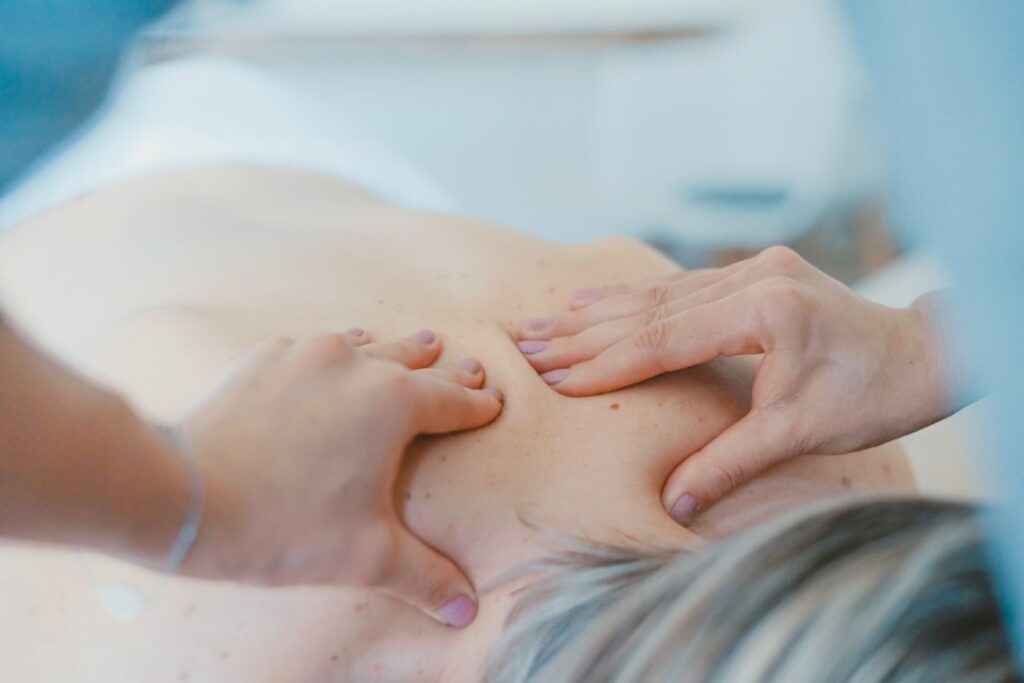
Photo by Mariia Shalabaieva on Unsplash
By Sky Highway Marketing · Med Spa Marketing Specialists · Last updated June 2026
Med spa email marketing is the highest-ROI channel available to you in 2026, and most med spa owners are using it wrong. According to HubSpot’s 2026 marketing benchmarks, email delivers an average return of $36 for every $1 spent across service industries. For med spas specifically, that number climbs even higher because you’re marketing to an existing patient base that already trusts you. The problem isn’t that email doesn’t work. The problem is that most med spas send the wrong emails, to the wrong people, at the wrong time.
Key Takeaways
- Email marketing delivers an average $36 return per $1 spent across service industries, making it the most cost-efficient channel for med spas with an existing patient list (HubSpot, 2026).
- The five core automations every med spa needs are: welcome sequence, post-treatment follow-up, reactivation campaign, pre-appointment reminder, and loyalty reward drip.
- Segment your list by treatment history, visit recency, and spend tier this week — segmented emails consistently outperform unsegmented blasts on open rate and revenue across every platform’s reported data.
- The most common med spa email mistake is treating every patient the same. A Botox patient and a new-consult lead should never receive the same message.
In This Guide
- Why Email Still Beats Every Other Med Spa Channel
- Building Your Med Spa Email List the Right Way
- Segmentation: The Strategy That Doubles Your Results
- The 5 Core Email Automations Every Med Spa Needs
- Your Med Spa Email Campaign Calendar
- How to Write Emails Patients Actually Open and Act On
- Email Compliance for Med Spas: What You Must Know
- Measuring Med Spa Email Marketing Success
Why Email Still Beats Every Other Med Spa Channel
You’ve probably heard that social media is where the action is. And yes, Instagram and TikTok matter. But email is the only channel where you own the relationship outright. Instagram can change its algorithm tomorrow. Google Ads costs keep rising as more med spas enter the auction. Your email list? That belongs to you.
There’s another reason email outperforms paid channels for most established med spas. You’re not trying to convince a cold stranger to trust you with their face. You’re talking to someone who’s already walked through your door, already spent money with you, and already believes in what you offer. That’s a fundamentally different conversation.
Email vs. Other Channels: A Real Comparison
| Channel | Average Cost Per Send | Audience Ownership | Best Use |
|---|---|---|---|
| Near zero (platform fee only) | You own the list | Retention, reactivation, upsells | |
| Google Ads | $8-25+ per click (2026 rates) | Platform dependent | New patient acquisition |
| Facebook/Instagram Ads | $1.50-6 per click | Platform dependent | Brand awareness, retargeting |
| SMS | $0.01-0.05 per message | You own the list | Appointment reminders, flash offers |
Email wins on retention and reactivation, full stop. If you want a deeper look at how email compares to SMS specifically, the post on SMS vs email marketing for med spas breaks down exactly when to use each — and if you’re weighing organic vs paid email for med spas, that’s another decision worth getting right before you scale.
Building Your Med Spa Email List the Right Way
Most med spas already have a bigger list than they realize, though if you’re truly starting from zero, our guide on how to build a med spa email list from scratch walks through every step. Your patient management software, your booking platform, your intake forms — that data is sitting there. The question is whether you’ve actually imported it into an email platform and started using it.
Start with what you have. Export your existing patient database and get it into a proper email marketing platform. Klaviyo, Mailchimp, and ActiveCampaign are the three most common choices for med spas in 2026. Each has its strengths, and the right one depends on how complex your automation needs are.
How to Grow Your List Actively
Beyond your existing patients, there are four reliable ways to add new subscribers consistently.
- Booking confirmation opt-in: Anyone who books a consultation or appointment through your website should automatically be added to your list. Make this a default setting, not an afterthought.
- Lead magnet: Offer a free PDF guide, like “What to Know Before Your First Botox Appointment” or “The Med Spa Treatment Menu Explained.” Gate it behind an email capture form on your website.
- Social media to email funnel: Run a low-budget Instagram ad that promotes your lead magnet. You’re turning cold social followers into owned email subscribers.
- In-spa sign-up: At checkout, ask patients to join your “VIP list” for early access to promotions and treatment availability. Most patients say yes when it’s framed as a benefit.
Whatever you do, don’t buy email lists. Ever. Purchased lists kill your sender reputation, trigger spam filters, and almost always contain people who have no idea who you are. Build your list the slow, right way.
Segmentation: The Strategy That Doubles Your Results
Sending the same email to every person on your list is the fastest way to get ignored. When your list is divided by treatment history, visit recency, and spend level, the people receiving each email are far more likely to care about what’s in it — which is exactly why med spa email list segmentation should be one of the first strategies you implement. For med spas, segmentation is especially powerful because your patients have wildly different treatment histories, spending levels, and visit frequencies.
The goal isn’t to make segmentation complicated. Start with three core segments and build from there.
The Three Segments That Matter Most
1. Active patients (visited in the last 90 days). These patients are warm. They’re in your orbit. Your emails to them should focus on rebooking, complementary service suggestions, and loyalty rewards.
2. Lapsed patients (90-365 days since last visit). This segment has the highest revenue potential of any group in your database. They liked you enough to visit once. Something got in the way. Your job is to remove that obstacle and bring them back. The full strategy for this is covered in the post on med spa patient reactivation.
3. Leads who never converted. These are people who opted in, maybe attended a consultation, but never booked a paid treatment. They need a different message: social proof, education, and a low-risk first step.
Advanced Segmentation to Layer In Later
Once you’ve mastered those three, consider adding:
- Treatment-specific segments (Botox patients vs. body contouring patients vs. laser patients)
- Spend tier (high-value patients who spend $500+ per visit deserve VIP treatment)
- Membership status vs. non-members
- Geographic location (essential if you’re scaling to multiple locations)
Good segmentation inside a solid CRM makes all of this manageable. If you haven’t chosen your platform yet, the guide on the best CRM for med spas in 2026 walks through your options in detail.
The 5 Core Email Automations Every Med Spa Needs
Automation is where med spa email marketing goes from “occasional newsletter” to “revenue engine.” These five sequences run in the background, 24 hours a day, without you touching them. Set them up once. Refine them quarterly.
1. The Welcome Sequence (5 emails over 10 days)
Every new subscriber — whether they booked a treatment or downloaded your lead magnet — should enter a welcome sequence immediately. This is your first impression. Don’t waste it on a discount. Use it to build trust.
- Email 1 (Day 0): Welcome + what to expect from your spa. Warm, human, no hard sell.
- Email 2 (Day 2): Your origin story. Why you opened. What you care about. People buy from people they like.
- Email 3 (Day 4): Social proof. Patient testimonials, before/after results (with consent), review highlights.
- Email 4 (Day 7): Educational content. Explain one treatment you’re known for. Answer the questions patients are too embarrassed to Google.
- Email 5 (Day 10): Soft CTA. Invite them to book a complimentary consultation or claim a first-visit offer.
2. The Post-Treatment Follow-Up (3 emails)
The 48 hours after a treatment are critical. Patients are excited. They’re noticing results. They’re ready to be impressed. Most med spas go completely silent at this moment. Don’t be that spa.
- Email 1 (24 hours post-treatment): Aftercare instructions + “How are you feeling?” This email alone generates reviews and referrals.
- Email 2 (7 days post-treatment): Check-in on results. Introduce a complementary treatment naturally.
- Email 3 (21-28 days post-treatment): Rebooking prompt. Include the recommended treatment cycle timeline so the patient understands why returning now makes sense.
3. The Reactivation Campaign (4 emails over 30 days)
Send this sequence to anyone who hasn’t visited in 90+ days. The goal is one thing: get them back in the door. Don’t start with a discount. Start with curiosity and relevance.
- Email 1: “We miss you” — warm re-engagement with a relevant content piece or new service announcement.
- Email 2 (7 days later): New treatment highlight or seasonal relevance angle.
- Email 3 (14 days later): Social proof from other returning patients.
- Email 4 (30 days later): A time-limited offer for returning patients only. Now the discount (if you use one) has context and urgency.
4. Pre-Appointment Reminders (2 emails)
Appointment no-shows cost med spas thousands of dollars a month. Two strategic emails dramatically cut that number.
- Email 1 (48 hours before): Appointment confirmation with prep instructions. Include a simple one-click reschedule option so they change the appointment rather than just not showing up.
- Email 2 (Morning of): Short, friendly reminder. What to bring. Where to park. What to expect. This email reduces anxiety and increases show rates.
5. The Loyalty and VIP Drip
Your best patients deserve their own email experience. A dedicated loyalty sequence rewards high-value patients with early access to new services, exclusive offers, and personal check-ins. This is how you turn a good patient into a referral machine. The full loyalty framework is covered in the post on building a med spa loyalty program.
For an even deeper dive into automation setup and platform configuration, check out the post on med spa email automation specifically.
Your Med Spa Email Campaign Calendar
Automations run in the background, but you also need a consistent broadcast email calendar. These are one-time campaigns sent to your full list or specific segments on a scheduled basis.
Sporadic sending — a newsletter when you remember, a promotion when you need a slow week filled — leaves revenue on the table; a consistent monthly cadence keeps you present without wearing out your welcome. A reasonable starting point is once a week for active lists and twice a month for less engaged segments — though the right cadence for your practice is the one your open and unsubscribe rates tell you they’ll tolerate. Anything less and you become forgettable. Anything more and you become annoying.
Monthly Campaign Ideas by Season
January-February: New Year treatment goals, Valentine’s Day couples promotions, “fresh start” skin health campaigns.
March-April: Spring skin prep, pre-summer body treatments, Mother’s Day gift cards (start this in late March).
May-June: Summer skin and body readiness, sunscreen education, hydration treatments, bridal season.
July-August: Slower season strategy (this is when reactivation campaigns matter most), back-to-school self-care for parents, fall treatment planning.
September-October: Fall skin rejuvenation, laser season opening (many patients wait for cooler weather), holiday prep conversations.
November-December: Holiday gift card campaigns, year-end treatment packages, New Year’s resolution preview campaigns.
The post on med spa seasonal promotions goes deeper on how to frame these campaigns without training your patients to wait for discounts.
How to Write Emails Patients Actually Open and Act On
Most med spa emails fail at the subject line. Your patient’s inbox is crowded, and they are making snap decisions about what deserves their attention before they’ve had their first coffee. Your subject line has to earn a click in the instant it takes to scan past it — which is not long. If it reads like a generic spa newsletter, it gets deleted.
Subject Line Formulas That Work
These are not tricks. They’re structures that work because they match how people actually decide what to open.
- Curiosity gap: “The one treatment our busiest patients never skip” performs better than “Learn About Our Services.”
- Personalization: “[First name], your skin needs this in June” consistently outperforms generic subject lines — personalization is one of the most reliably effective tools in email marketing, and the results show up clearly when you A/B test it against your own list.
- Urgency with specificity: “3 spots left for June Botox — Tuesday and Thursday” beats “Book Now for June.”
- Direct answer to a question: “Does Botox actually prevent wrinkles? (The real answer)” generates strong opens from curious patients.
Email Body: The Structure That Converts
Keep it short. Patients don’t read long emails. They scan them. Structure every email like this:
- Opening line: A single sentence that hooks them immediately. Make it about them, not about you.
- The point: One idea, one offer, one CTA. Do not send emails with five things in them. Pick one.
- Social proof: One quick patient testimonial or result, when relevant.
- CTA button: Clear, specific, and above the fold. “Book My Appointment” beats “Click Here” every time.
And don’t overthink the design. Plain-text emails that feel personal often outperform beautifully designed HTML newsletters. Test both with your list and let your patients tell you what they prefer.
What This Looks Like in Practice: A Subject-Line Overhaul Scenario
Picture a mid-size med spa in the Southeast sending monthly newsletters with subject lines like “November News from [Spa Name].” Open rates sit in the low teens — a sign that subject lines aren’t earning the click, or that a meaningful portion of the list has quietly tuned the practice out. The practice shifts to personalized, curiosity-driven subject lines and rewrites the email body to focus on one offer per send.
In a plausible version of this scenario, open rates climb toward 29% within 60 days and click-through rates double. A November campaign could realistically generate $11,000 or more in holiday gift card sales from a list of just 2,200 subscribers. The product hasn’t changed. The email strategy has.
Email Compliance for Med Spas: What You Must Know
Med spa email marketing sits at the intersection of two compliance worlds: general email marketing law (CAN-SPAM in the US) and healthcare marketing regulations. Getting this wrong has real consequences.
The CAN-SPAM Basics
Every commercial email you send must include:
- Your physical business address
- A clear, working unsubscribe link
- An honest subject line that reflects the email’s content
- Your identity as the sender (no spoofed “from” addresses)
Honoring unsubscribes within 10 business days is legally required. Most reputable email platforms handle this automatically. But you need to check your settings and confirm it’s working.
Healthcare Marketing Considerations
Med spas occupy a specific regulatory category. You’re not a hospital, but you are providing medical services. According to the American Med Spa Association (AmSpa), email communications that reference specific patient treatment history may carry HIPAA implications depending on how your data is stored and transmitted. A few firm rules:
- Don’t reference specific treatments a patient has received in a broadcast email. (“We noticed you got Botox last month” in a mass email creates a HIPAA exposure.)
- Use merge tags for personalization carefully. First name is safe. Treatment history in a broadcast is not.
- Ensure your email platform has a Business Associate Agreement (BAA) available if you’re transmitting any PHI. Mailchimp does not offer a BAA. HubSpot and some others do. Know which platform you’re using and what it covers.
This is also relevant to your ad copy standards generally. The post on med spa ad compliance in 2026 covers what language is and isn’t safe across all your marketing channels.
Measuring Med Spa Email Marketing Success
Email metrics only matter if you know what you’re measuring them against. Too many med spa owners look at open rates in isolation and have no idea whether their campaigns are actually driving revenue.
The Metrics That Matter
Open rate: Where your open rate should sit depends on your list quality, send frequency, and how well you’ve segmented — there’s no single published threshold for health and beauty services that applies cleanly across every practice type. A consistently low open rate usually means one of two things: your subject lines aren’t earning the click, or a meaningful portion of your list has quietly tuned you out. A strong open rate is a reliable sign that your subject lines are resonating and your list still trusts you enough to engage.
Click-through rate (CTR): What counts as a solid CTR depends on your list, your offer, and your CTA placement — the more relevant the email to the segment receiving it, the higher your click-through rate will be. A very low CTR usually means the email body or CTA isn’t giving readers a clear, specific reason to act — the subject line opened the door, but nothing inside closed it.
Conversion rate: This is the number that actually matters. How many email opens turned into booked appointments or purchases? Track this by connecting your email platform to your booking system with UTM parameters on all CTA links.
Revenue per email sent: Divide total campaign revenue by total emails sent. A well-run med spa email program should generate meaningful tracked revenue per send — and the clearest way to see where you stand is to divide last month’s email-attributed revenue by the total emails delivered. That number adds up fast on a list of 3,000 patients.
Unsubscribe rate: A spike in unsubscribes on a single send is a signal worth taking seriously — either the email landed with the wrong segment, the frequency has climbed too high, or the content felt irrelevant to the people receiving it. Either you’re emailing too frequently, the content is irrelevant, or you’re sending to people who never opted in properly.
An Illustrative Scenario: From Sporadic to Systematic
Consider a solo-provider med spa in the Midwest with a list of 1,800 patients. They send emails “when they remember to,” roughly once every 6-8 weeks, usually to announce a promotion. Revenue from email is essentially untracked.
After building out the five core automations, establishing a monthly campaign calendar, and segmenting the list into three groups, a practice like this could realistically see tracked email revenue climb from near zero to $6,000/month or more within a few months. The list size doesn’t change. The system does. That’s a meaningful annual revenue gain from a channel they were already paying for and ignoring.
What to Review Every Quarter
- Clean your list: consider removing subscribers who have gone a full six months or more without opening anything — the right threshold depends on your send frequency, but a smaller engaged list consistently outperforms a large disengaged one. A smaller engaged list outperforms a large dead one.
- Review and update automation sequences: patient expectations change, treatments change, your offers change.
- A/B test one variable per month: subject lines, send times, CTA button copy, email length.
- Check deliverability: monitor your spam complaint rate. Any meaningful uptick in spam complaints is worth investigating immediately — mailbox providers use complaint rates to decide whether your future sends land in the inbox or the junk folder.
Tying email performance back to your broader patient retention strategy is essential. The complete guide to med spa patient retention covers how email fits within your full retention system alongside loyalty programs, SMS, and in-person touchpoints.
Frequently Asked Questions
How often should a med spa send marketing emails?
Most med spas perform best sending two to four emails per month to their active patient list. New subscribers in a welcome sequence may receive emails every two to three days without issue. Drop to once or twice a month for less engaged segments. Consistency matters more than frequency, so pick a cadence you can actually maintain.
What email platform should a med spa use in 2026?
Klaviyo, ActiveCampaign, and HubSpot are the three strongest options for med spas in 2026. Klaviyo excels at segmentation and ecommerce-style automation. ActiveCampaign offers powerful CRM integration at a mid-range price. HubSpot provides a full marketing suite, including a BAA for healthcare compliance. Avoid Mailchimp if HIPAA compliance is a concern for your practice.
What is a good open rate for med spa emails?
Industry benchmarks for good email open rates for med spas in 2026 put the average open rate between 22% and 26%. A well-segmented med spa list with strong subject lines can regularly outperform the typical health-and-beauty average by a meaningful margin — better targeting means more recipients actually care about what arrived. If your open rate is consistently low, prioritize subject line testing and list hygiene before increasing send frequency — adding volume to a disengaged list accelerates the problem.
Do I need a HIPAA-compliant email platform for my med spa?
If your emails reference or transmit protected health information (PHI), you need a platform that offers a Business Associate Agreement (BAA). For broadcast marketing emails that use only first names and general content, most standard platforms are acceptable. Consult with a healthcare attorney and review AmSpa’s compliance guidance if you’re unsure about your specific situation.
What should the first email to a new med spa patient say?
Your first email should welcome the patient, introduce your practice personality, and set expectations for what they’ll receive from you. Don’t lead with a discount or a hard sell. Focus on building rapport. Include one warm, human story about why your spa exists or what you believe about aesthetics and wellness. The goal of email one is to be liked, not to sell.
How do I grow my med spa email list fast?
The fastest legitimate way is to combine an in-office opt-in process (ask at every checkout) with a lead magnet promoted through a low-budget social media ad. A practical PDF guide, like a treatment FAQ or a skincare routine guide, can steadily add new subscribers each month — how many depends on your offer, your audience targeting, and what you’re willing to put behind it in ad spend. Never purchase an email list — it damages sender reputation and delivers no real ROI.
See What AI Says About You
When someone asks ChatGPT or Google for a med spa near you, does your practice come up?
Get My Free AI Visibility Audit
Free, no pitch. See exactly what AI says about med spas in your city, and where you stand.