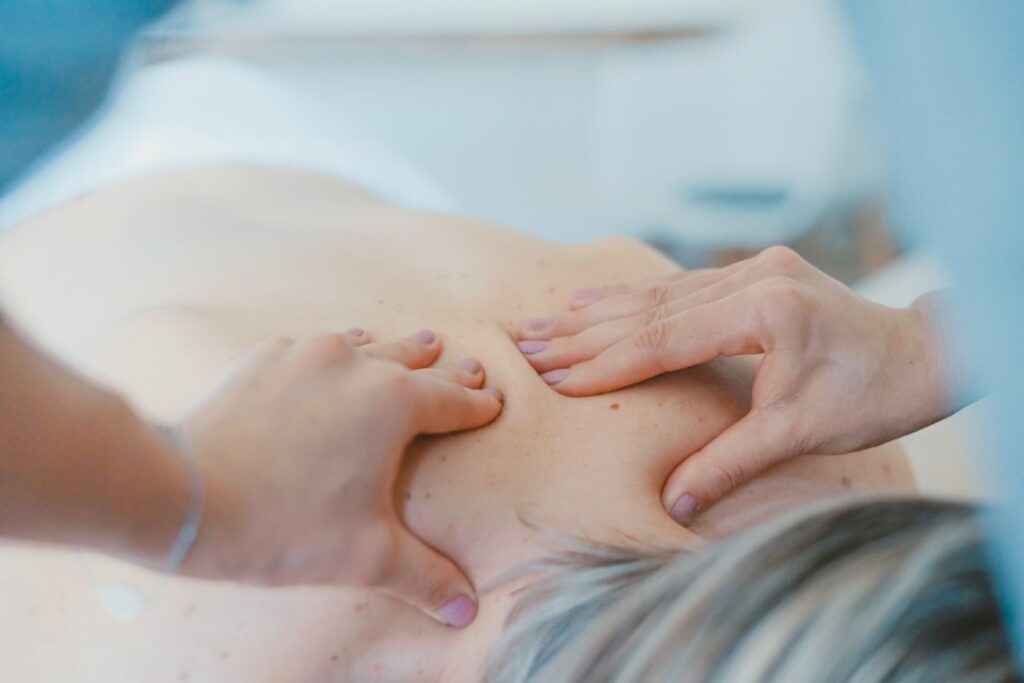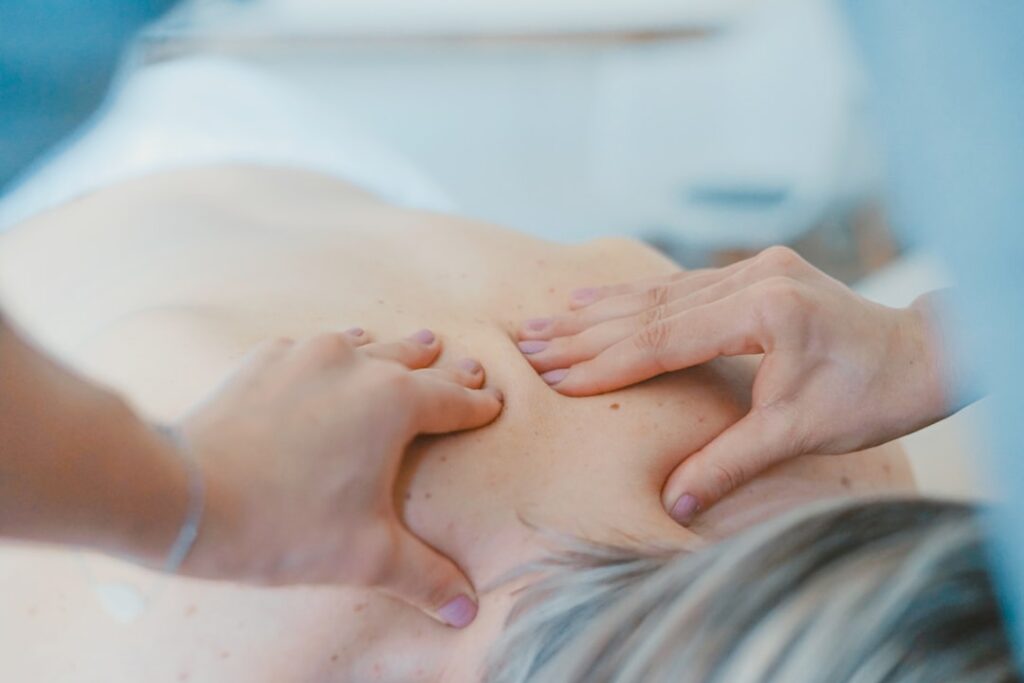
Photo by Sebastian Mark on Unsplash
By Sky Highway Marketing · Med Spa Marketing Specialists · Last updated September 2026
Med spa event marketing builds deeper patient relationships per dollar, but digital ads generate more leads per hour. That’s the honest answer, and it’s why so many med spa owners feel stuck choosing between the two. According to the American Med Spa Association (AmSpa), the average med spa now operates in a market with multiple direct competitors, which means every marketing dollar has to justify itself. Events and digital ads solve different problems. They fill different parts of your calendar. And in 2026, the med spas growing fastest aren’t picking one over the other. They’re sequencing both correctly.
Key Takeaways
- Med spa event marketing converts attendees at a higher rate than cold ad traffic because attendees have already invested time and trust before they book.
- If a med spa spends $2,500 on an open house that attracts 40 attendees and 12 book treatments averaging $600, the event returns $7,200 in revenue on a $2,500 investment (illustrative scenario, not a guarantee).
- Digital ads can be launched in hours and scaled with a budget slider, while events require weeks of planning, staff coordination, and a physical space that limits capacity.
- Most med spas underperform on events not because the format is weak, but because they fail to promote the event with the same digital channels they’d use for a product launch.
Med Spa Event Marketing: Strengths, Weaknesses, and Best Use
Events put people inside your practice. That matters more than most owners realize. A prospective patient who walks through your doors, meets your injector, and touches your equipment has crossed an emotional threshold that no Instagram carousel can replicate. Trust shortens dramatically when someone can see the treatment rooms, read the diplomas on the wall, and watch a live demo.
What Events Do Well
- High conversion per attendee. People who show up to an open house or VIP night are already interested. You’re not convincing them to care. You’re convincing them to commit.
- Upselling and bundling. Events let you introduce treatments your patients didn’t know you offered. A patient who came for Botox learns about your body contouring suite. That cross-sell is nearly impossible to replicate in a 30-second ad.
- Retention and loyalty. Exclusive events reward your existing patients, which directly supports the patient retention strategies that drive long-term revenue.
- Content generation. One well-photographed event produces weeks of social media posts, email content, and website imagery.
Where Events Fall Short
Reach is the biggest limitation. Your event can only hold so many people. Physical space is a hard ceiling — your lobby, treatment corridor, and common areas together determine how many people can move comfortably through the evening. Compare that to a Google Ads campaign that can reach thousands of high-intent searchers in the same week.
Events also carry fixed costs that don’t scale down. Catering, vendor reps, staffing, giveaways, and setup hours exist whether 15 people come or 50. Bad weather, a local competing event, or a scheduling conflict can tank attendance overnight.
Then there’s the planning burden. How much lead time a strong med spa event needs depends on its scale — vendor coordination, RSVP list size, and promotional runway all push that number up or down. Someone on your team has to coordinate vendors, build an RSVP list, send reminders, and manage day-of logistics. For a busy practice, that time cost is real.
Best Use Case for Med Spa Event Marketing
Events work best for retention, reactivation, and high-value service launches. If you’re introducing a new device or treatment line, an event lets you educate patients face-to-face. If you want to win back lapsed clients, a VIP invitation feels personal in a way that a retargeting ad does not.
Events also shine when you’re building community around your brand. That kind of loyalty compounds over years. But it doesn’t fill next Tuesday’s schedule.
Digital Ads: Strengths, Weaknesses, and Best Use
Digital advertising (Google Ads, Meta Ads, and their variations) does one thing events can’t: reach strangers at the exact moment they’re searching for what you sell. Someone types “Botox near me” into Google at 10 p.m. on a Wednesday, and your ad appears. No venue. No catering. No weather risk.
What Digital Ads Do Well
- Speed. You can launch a campaign today and receive leads this week. Events can’t touch that timeline.
- Scalability. Want more leads? Raise the budget. Want fewer? Lower it. The volume dial is always available.
- Precision targeting. Platforms like Google and Meta let you target by geography, demographics, interests, and search intent. You’re paying to reach people who are actively looking.
- Measurability. Every click, impression, form fill, and phone call is trackable. You know exactly what you’re paying per lead. As we covered in our breakdown of med spa Google Ads ROI, the math either works or it doesn’t, and you can see the answer in real time.
Where Digital Ads Fall Short
Cold traffic converts at a lower rate than warm, event-nurtured traffic. Always. A person who clicked your ad has never been inside your practice, hasn’t met your team, and may be comparing you against three other clinics simultaneously.
Cost is climbing, too. Google Ads CPCs for med spa keywords have risen steadily in 2026, and Meta’s auction gets more competitive every quarter. If your landing pages or follow-up systems are weak, you’ll burn budget fast. A practice spending $5,000 a month on Google Ads at a $15 cost per click with a 6% landing page conversion rate generates about 20 leads. If only half of those leads book (which is optimistic without strong follow-up), you’re looking at 10 bookings for $5,000, or $500 per booked patient. That math only works if your average treatment value is high enough to justify it.
Digital ads also stop working the instant you stop paying. There’s no residual benefit. The moment you pause a campaign, the leads vanish.
Best Use Case for Digital Ads
Ads are ideal for new patient acquisition, filling slow days, and promoting time-sensitive offers. They’re your demand engine. Need 20 new Botox patients this month? Ads can deliver that, assuming your targeting and follow-up systems are tight.
Head-to-Head Comparison: Med Spa Event Marketing vs Digital Ads
Here’s how the two channels compare across the factors that matter most to a med spa owner making budget decisions in 2026.
| Factor | Event Marketing | Digital Ads |
|---|---|---|
| Speed to results | 4-6 weeks of planning before any revenue | Leads can arrive within days of launch |
| Reach | Limited by physical space and RSVP list | Virtually unlimited within your geo target |
| Conversion rate per contact | Higher (warm, trust-built audience) | Lower (cold traffic, comparison shoppers) |
| Cost predictability | Fixed costs regardless of attendance | Variable, controlled by daily budget |
| Best for new patients | Moderate (depends on promotion) | Strong (designed for stranger-to-lead conversion) |
| Best for retention | Excellent (exclusivity, VIP experience) | Weak (remarketing helps, but feels transactional) |
| Content byproduct | Photos, video, testimonials, social proof | Performance data, audience insights |
| Risk if it flops | Sunk costs (venue, food, staff time) | Pause and redirect budget immediately |
| Residual value | Relationship equity, content assets | None (leads stop when spend stops) |
The table makes one thing clear. These channels don’t compete. They serve different functions inside the same practice.
Our Verdict: Use Both, But Lead With Ads
At Sky Highway Marketing, we typically recommend that med spas build their foundation on digital ads and layer events on top. Here’s why.
Digital ads give you control. You can turn them on tomorrow, measure everything, and adjust weekly. Events are powerful, but they’re episodic. You can’t run an open house every Tuesday. You can run Google Ads every Tuesday.
However, a med spa that only runs ads is leaving money on the table. Events create the kind of emotional connection that turns a one-time Botox patient into a loyal member who spends thousands per year. If you’re building a full-year marketing calendar, quarterly events should be on it.
The Smartest Play in 2026
Use digital ads to fill the event. Promote your open house or VIP night with Facebook and Instagram ads targeting your existing patient list (custom audiences) and local lookalikes. This solves the event’s biggest weakness (limited reach) while preserving its biggest strength (high conversion once people arrive).
Then, use the content from the event to fuel your ads for weeks afterward. Before-and-after photos from a live demo, patient testimonials captured on video, and behind-the-scenes footage all become ad creative. One strong event feeds your digital campaigns for a full quarter.
The worst version of med spa event marketing is an event that nobody promotes. You print some flyers, mention it at checkout, and hope for the best. That’s not marketing. That’s wishful thinking.
The best version pairs a well-planned event with targeted digital promotion before, during, and after. Sky Highway Marketing builds these campaigns as integrated sequences, not isolated tactics, because that’s where the real return lives.
Consider this illustrative scenario. A single-location med spa spends $2,500 on a quarterly VIP event (venue prep, refreshments, vendor samples, staff overtime) and another $1,500 on Facebook and Instagram ads promoting it over three weeks. That $4,000 total investment attracts 60 RSVPs. Forty people actually show up. Twelve of those 40 book treatments that night, averaging $600 each. That’s $7,200 in immediate revenue. But five of those 12 become recurring patients who visit quarterly. Over a year, those five patients generate another $12,000 or more. The event didn’t just pay for itself. It seeded a year’s worth of loyalty.
No Google Ads campaign produces that kind of compounding return on a single night. But no event produces that result without the ads driving attendance.
Stop thinking of events and ads as an either/or decision. Build the digital engine first. Then use events to deepen what the engine creates. The businesses that grow sustainably are the ones integrating inbound and outbound channels rather than betting on one — and that pattern holds whether you are looking at service businesses, retailers, or med spas specifically.
Frequently Asked Questions
How much should a med spa spend on event marketing?
Most successful med spa events cost between $1,500 and $5,000 depending on the scale, including venue prep, refreshments, promotional materials, and staff time. Add a separate digital ad budget of $1,000 to $2,000 to promote the event. Without digital promotion, even well-planned events underperform on attendance.
Are open houses still effective for med spas in 2026?
Open houses remain effective when they’re promoted properly and designed around a specific offer or new service launch. A generic “come see our space” event won’t drive bookings. Build each event around a treatment demo, exclusive pricing, or a VIP experience that gives attendees a reason to commit that night.
Can digital ads promote a med spa event effectively?
Yes. Facebook and Instagram ads targeting your existing patient list (uploaded as a custom audience) plus local lookalike audiences are the most reliable way to fill an event. Start promoting three weeks before the event date, send a reminder ad one week out, and retarget RSVPs who haven’t confirmed 48 hours prior.
Which is better for new patient acquisition, events or ads?
Digital ads win for pure new-patient volume because they reach strangers actively searching for treatments. Events are better for converting warm leads and retaining current patients. If you need new faces in chairs quickly, start with ads. Layer in quarterly events once your digital acquisition engine is running.
How do I measure the ROI of a med spa event?
Track three numbers: total event cost (including staff time and promotions), bookings made at or within one week of the event, and the average treatment value of those bookings. Divide total revenue by total cost. Also tag event attendees in your CRM so you can track their lifetime value over the following 12 months, which is where the real return shows up.
Should I use events instead of ads if my ad budget is small?
Not instead. Alongside. A small ad budget of even $500 to $1,000 can effectively promote a single event on Facebook and Instagram. The event itself can then produce content (photos, video, testimonials) that fuels organic social posts for weeks, stretching your limited budget further than ads alone.
See What AI Says About You
When someone asks ChatGPT or Google for a med spa near you, does your practice come up?
Get My Free AI Visibility Audit
Free, no pitch. See exactly what AI says about med spas in your city, and where you stand.